
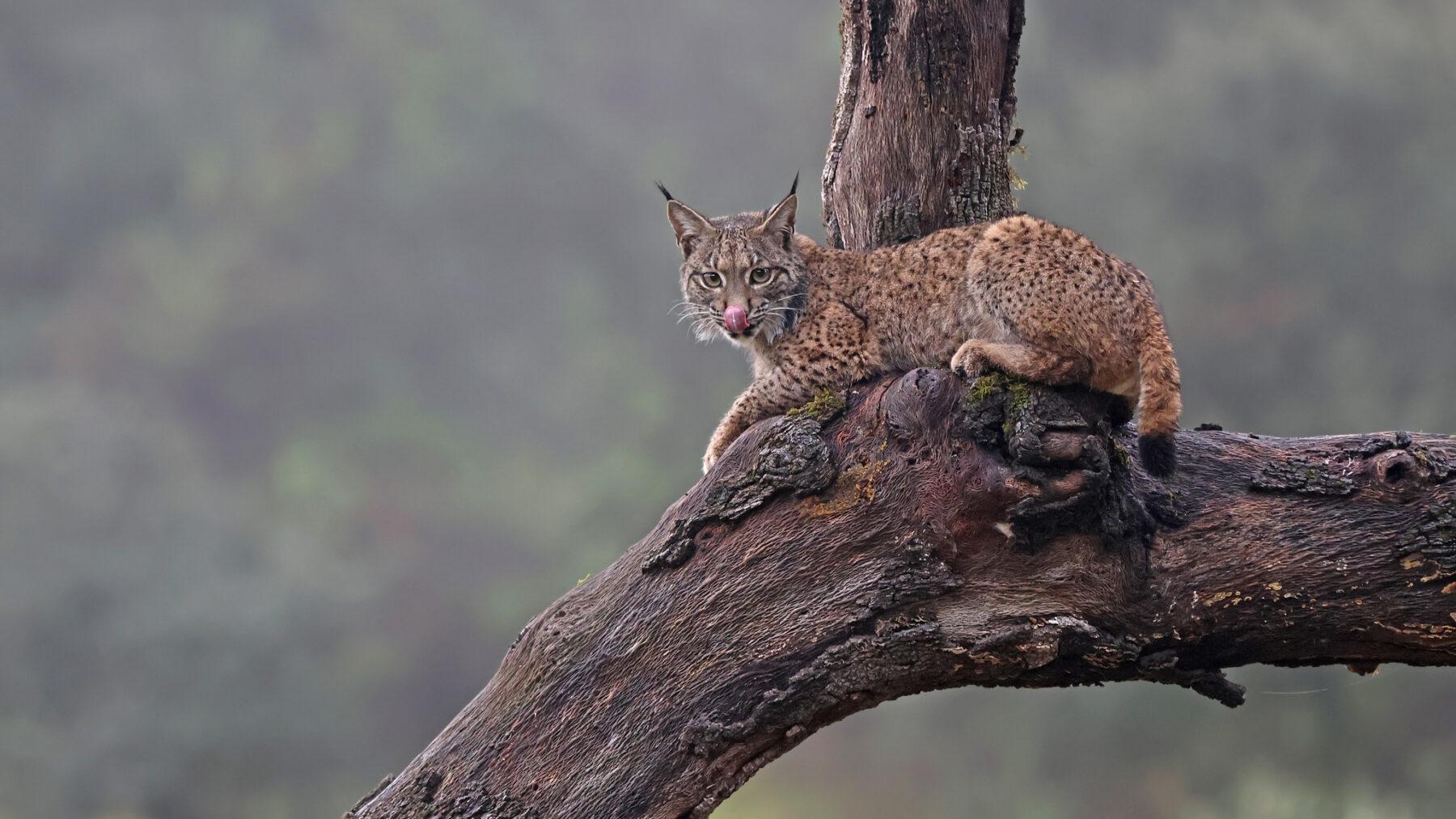
In the Matachel Valley (Badajoz), foxes and mongooses declined by about 80% after Iberian lynxes were released. This was measured by a study published in Biological Conservation by IREC, the Doñana Biological Station, and other centers, and disseminated by the Ministry for Ecological Transition in September 2019. That case summarizes what interspecific relationships are: the links between individuals of different species, which can benefit, harm, or leave either party indifferent.
Intraspecific relationships are the ones that occur within the same species: a wolf pack, a bee colony, two male deer battling during the rut. Interspecific relationships cross that boundary. The lynx and the rabbit. The lynx and the fox. A flower and the insect that visits it.
No species lives alone. All are part of nature and its biotic and abiotic elements, and living things relate to other living beings in several ways. Ecology manuals categorize them according to who gains (+), who loses (−), and who is unaffected (0).
The types, one by one
- Mutualism (+/+). Both species gain.
- Commensalism (+/0). One benefits and the other is unaffected.
- Parasitism (+/−). One lives at the expense of the other, usually without killing it outright.
- Predation (+/−). One hunts and eats the other.
- Competition (−/−). Both are hindered because they require the same resource.
- Amensalism (0/−). One harms the other without gaining anything in return.
The mutualism is the most familiar. A textbook case is pollinators like bees, which depend on flowers and, at the same time, help them reproduce: the bee obtains nectar and pollen, and the plant achieves reproduction. In ECOticias we have already reviewed animal mutualism in nine examples, so we won’t repeat them here.
Commensalism is more discreet. One species takes advantage of another (its shelter, its leftovers, its transport) without harming or helping it. The classic school example is a bird nesting in a hollow tree: the bird gains a safe place and the tree, in principle, remains unaffected. The difficulty lies in proving that “0,” because sometimes the other species bears a small cost or a small benefit that goes unnoticed.
Parasitism is a lopsided deal. The parasite obtains food or shelter from the host, which is harmed. It can live inside, like many intestinal worms, or outside, like fleas and ticks. There is also brood parasitism: some birds lay their eggs in nests of other species so that another species raises their chicks. The cuckoo is the most cited example.
Parasitism and predation: where is the difference
Both relations carry the same sign (+/−), and that is why they are often confused in exams.
The predator kills its prey and eats it, usually in one go. The parasite lives off its host for days, months or years, and it benefits from the host remaining alive because it is its home and pantry. A lynx that hunts a rabbit is predation. A tick attached to the same rabbit is parasitism.
The lynx also helps illustrate how much the predator depends on its prey. According to the Iberian Lynx Ex-situ Conservation Program, it is a specialist predator of the rabbit, with its diet ranging from 85 to 100% of this lagomorph. If the rabbit becomes scarce, the lynx notices it. In this relationship, the prey sets the pace for the hunter. That is why predators like the lynx, which regulate their prey, are themselves regulated by them.
Competition: the case of the lynx, the fox and the mongoose
Competition appears when two species require the same resource and there isn’t enough for all of them. Food, territory, water, light. Both suffer because each ends up with less than it would have if the other were absent. In practice it is often unequal, and the dominant species can end up displacing or killing the other.
The Matachel study is a good example of competition among Iberian carnivores. Foxes, mongooses and lynxes hunt rabbits. According to researchers, the lynx competes with other more generalist carnivores and ultimately predates on them or pushes them out of their territory. Two years after the reintroduction, at least 19 foxes, 11 mongooses, 3 martens and 1 feral cat had disappeared from the area, either due to abandonment of the area or due to the lynxes’ own predation, according to a note from MITECO.
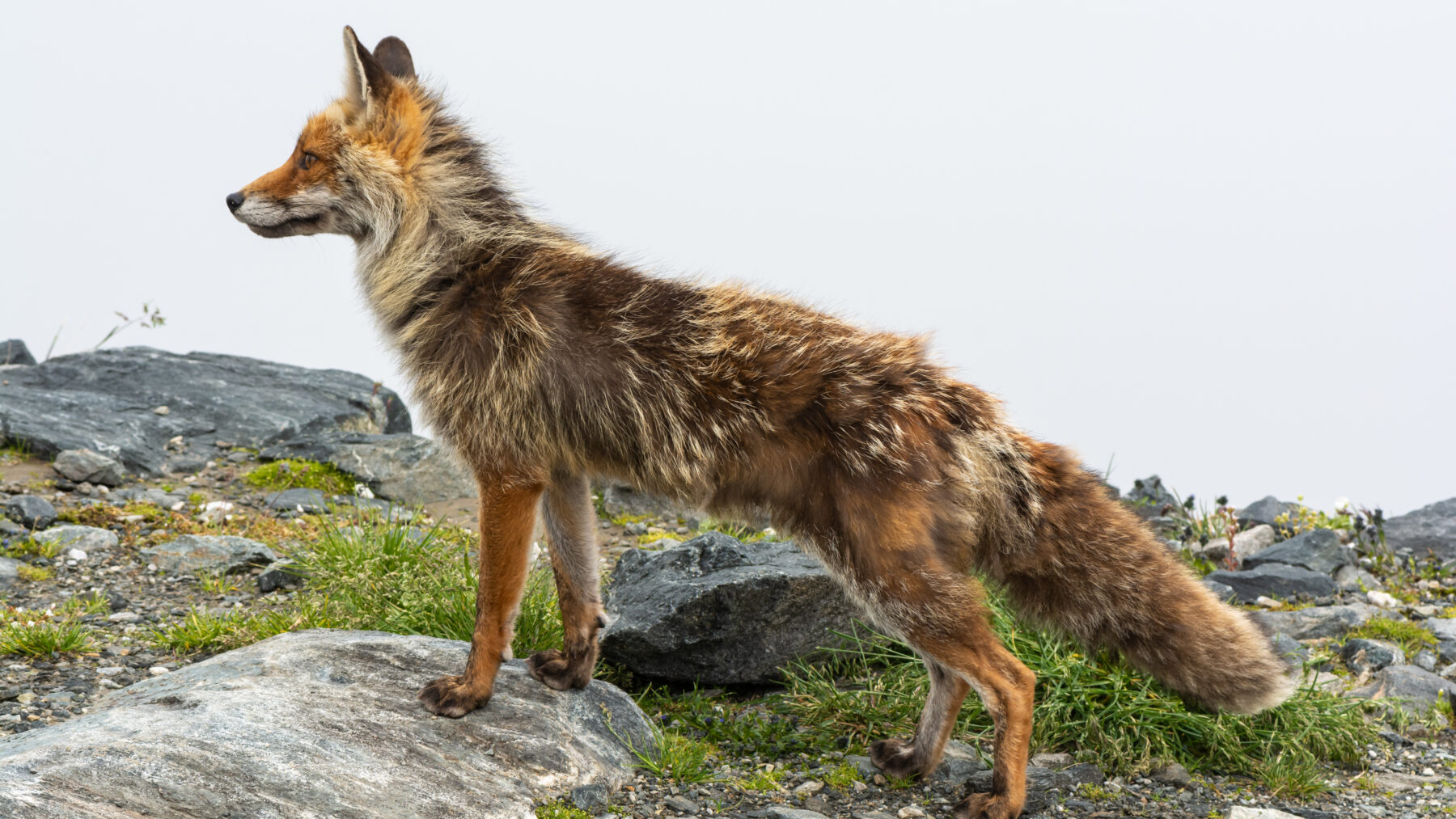
The effect was cascading. The rabbits’ consumption by the carnivore assemblage fell by 55.6%, and as a consequence the rabbit and the red-legged partridge recovered in the areas occupied by the lynx. Here three relationships mingle at once: predation (lynx and rabbit), competition (lynx and fox over the rabbit), and carnivore predation (the lynx killing some of its competitors).
Amensalism is the least cited. One species harms another without gaining anything. The classic example is a large tree whose shade prevents the smaller plants beneath from growing: the tree doesn’t care, but they do. Some authors consider it a form of highly unbalanced competition.
The relationships are not fixed
These labels are simplifications. The same pair of species can shift from one kind of relationship to another depending on location, season, or environmental conditions.
To practice before the exam
Six exam-style questions to classify the relationships. The answers are at the end.
- A lynx hunts a rabbit. What type of relationship is this?
- A fox and a lynx hunt rabbits on the same property. What relationship exists between the fox and the lynx?
- A bee visits a flower and collects pollen. Who benefits?
- A tick lives on a deer. What sign does this relationship have?
- Explain in one sentence the difference between parasitism and predation.
- A small plant does not grow because a tree blocks the light, and the tree is unaffected. What is this called?
Answers: 1, predation (+/−). 2, competition (−/−); in Matachel, the lynx also ended up displacing or killing foxes. 3, both benefit: mutualism (+/+). 4, parasitism (+/−). 5, the predator kills and eats its prey at once; the parasite lives off the host for a period without killing it immediately. 6, amensalism (0/−).
