
The Commonwealth has called for investment in climate resilience to protect infrastructure, boost renewables, and restore habitats, while Caribbean countries are seeking faster financing and debt relief to recover from disasters.
Climate resilience investment has been at the center of King Charles III’s appeal and several Commonwealth leaders during their meeting in Antigua and Barbuda. The British monarch described climate change as «a catastrophic reality» and urged greater capital to develop renewable energy, resilient infrastructure, and farming systems able to withstand its impacts.
The host prime minister, Gaston Browne, has highlighted access to funding, noting that vulnerable countries require quicker climate finance and debt arrangements that enable rebuilding without derailing development. He also urged expanding the use of the Multidimensional Vulnerability Index and the existing financial criteria to better recognise the difficulties faced by these states.
Among the proposals are a mutual-insurance scheme to accelerate disaster payouts, funding to restore habitats, and a Zero-Emissions Fund that would ease credit for renewables. These ideas have been put forward by a 56-country body seeking to mobilize public and private investment to confront hurricanes, droughts, and ecosystem degradation.
We must invest in climate resilience NOW
The Commonwealth seeks to boost investment to enhance climate resilience, as stated by Charles III and several leaders at the 28th Commonwealth Heads of Government Meeting held in Antigua and Barbuda.
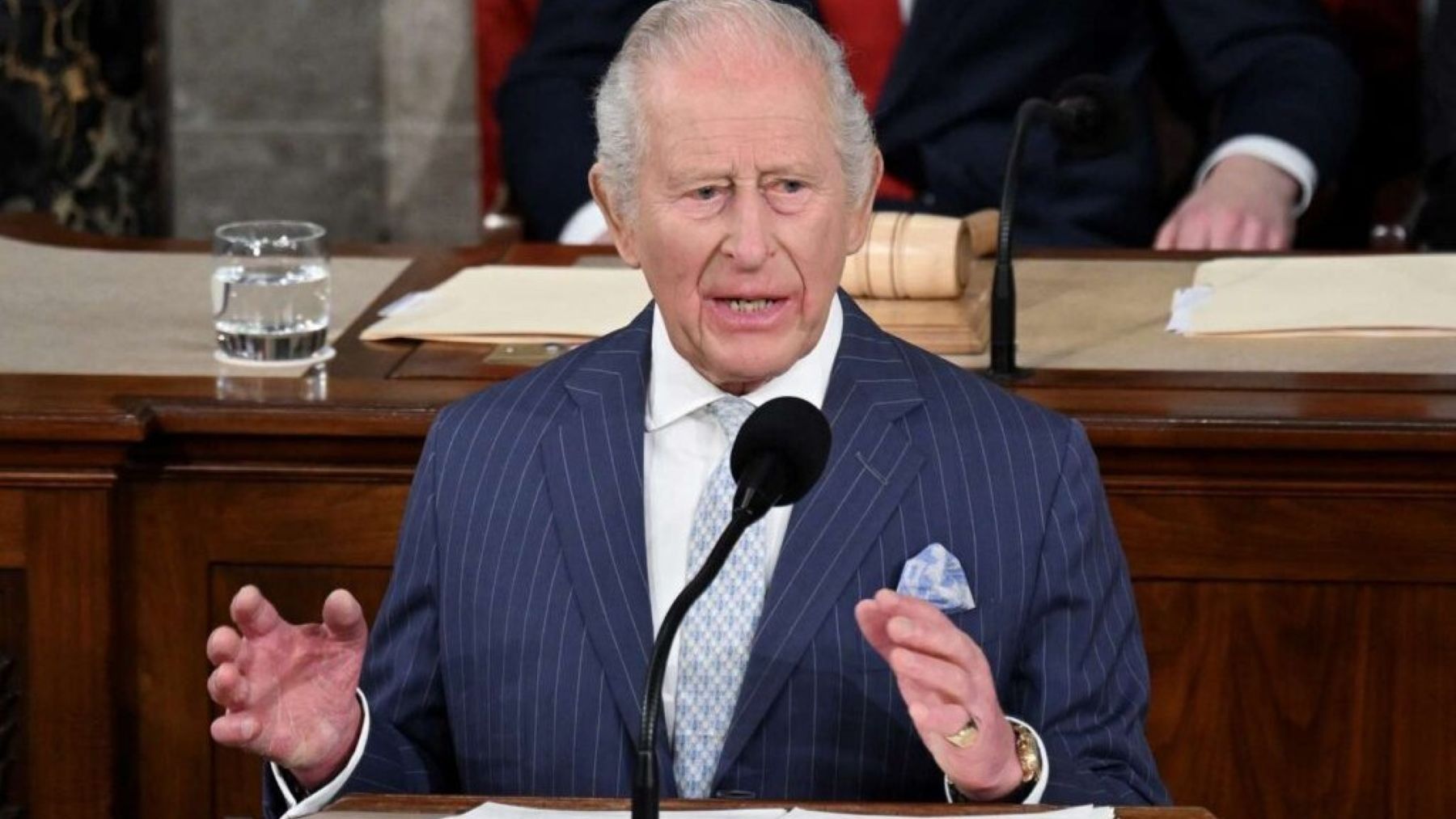
«Climate change is no longer merely a frightening prospect; it is a catastrophic reality that threatens our very way of life. Nature is under constant assault and the fundamental natural systems are collapsing. In every one of our countries, for too many people, the opportunity to realize their own potential remains out of reach,» the king of the United Kingdom said in a speech.
He argued that «accelerating partnerships and investment for a prosperous Commonwealth represents a vital opportunity for all,» and we must commit to climate resilience.
Charles III stressed that, in climate and nature, «transformative investment» can drive real change, such as in renewable energy and resilient infrastructure, in sustainable and regenerative agriculture, agroforestry, and food systems.
«Here, in the Caribbean, as in many other parts of our Commonwealth, climate change is not a distant prospect but an alarming reality. As we know, the great coastal states have contributed very little to the causes of climate change, yet they bear among the highest costs,» the monarch asserted. Therefore, he highlighted the need to boost investment in climate resilience.
«Nature itself is an essential form of capital that underpins our prosperity and well-being, yet we have persisted for too long in living off nature’s capital rather than its income. Restoring nature does not mean placing our environment above our economy, but investing in the very foundations of our economy,» he noted.
Distant decisions, local consequences
Gaston Browne, prime minister of Antigua and Barbuda and host of the gathering, has underlined that decisions taken far beyond the Caribbean borders profoundly affect Caribbean citizens. «Climate change threatens livelihoods, development and, for vulnerable states, our very survival,» he stated. In this regard, he urged Commonwealth members to recognize that they can achieve far more through cooperation than through confrontation.
«We must push for broader use of the Multidimensional Vulnerability Index alongside existing financing criteria, while pressing for faster access to climate finance and debt deals that give vulnerable countries the fiscal space needed to recover and rebuild,» the leader said. Browne also emphasized the importance of investing in climate resilience, renewable energy, and resilient infrastructure, and addressing the root causes of climate change by speeding up the transition to cleaner energy and cutting global emissions.
The current El Niño phenomenon does not help
Additionally, Commonwealth Secretary-General Shirley Botchwey spoke about the disasters wrought by hurricanes that have battered the region in recent years and the El Niño phenomenon that is bringing severe drought to much of the Caribbean. «We are partnering with the private sector to mobilize new capital. For countries that cannot finance their renewable ambitions, new credits to fund investment,» she clarified.
In this context, the Commonwealth has proposed a new nature initiative with funding to restore habitats and collaboration with insurers in backing a mutual-insurance mechanism endorsed by the Commonwealth to provide rapid payouts after disasters. There is also the aim to create a Commonwealth Zero-Emissions Fund to facilitate access to credit for a renewable energy revolution.
The «State of the Commonwealth 2026: Resilience through Diversity» report released yesterday argued that Commonwealth countries should build greater resilience—democratic, economic, and environmental—in order to prosper. The Commonwealth brings together 56 countries linked to the United Kingdom, including most Caricom members, former British colonies in the Caribbean.
Climate resilience was already called for in the Paris Agreement
The appeal aligns with one of the Paris Agreement’s core objectives, adopted in 2015: strengthening adaptive capacity, increasing resilience, and reducing climate vulnerability. This commitment sits alongside the goal of keeping warming well below 2°C and pursuing efforts to limit it to 1.5°C.
For Caribbean countries, both tasks must advance together: fossil fuels must be replaced, which could lessen their dependency on energy imports. But it is also essential to protect electricity grids and water supply, which help sustain essential services when a disaster strikes.
