
The National Red List assesses the extinction risk of 1,937 species and provides a reference for understanding which biodiversity needs attention and where data are lacking.
Which species are at the greatest risk of disappearing in our country? The National Red List brings together all assessments based on the criteria set by the IUCN to answer this question. The final balance shows that a large share of biodiversity is in danger and that it includes many more species than those typically named, such as the Iberian lynx or the wolf.
The IUCN classification highlights that there are species that are at risk, and among them it distinguishes those that are vulnerable, those that are endangered, those on the brink of extinction, and those that have already disappeared. Understanding the difference between each category allows for a full understanding of the figures in the National Red List.
This assessment also serves to highlight that our current knowledge has major limitations. Many records lack information and, at times, are so insufficient that they do not allow a proper assessment of the status of each species. And for conserving biodiversity it is essential to know it.
The National Red List Continues to Grow Year by Year
Based on the work of specialists who were sponsored by the Commission for Species Survival and the Spanish Committee of the IUCN, this article explains what this list reveals and the process behind each assessment.
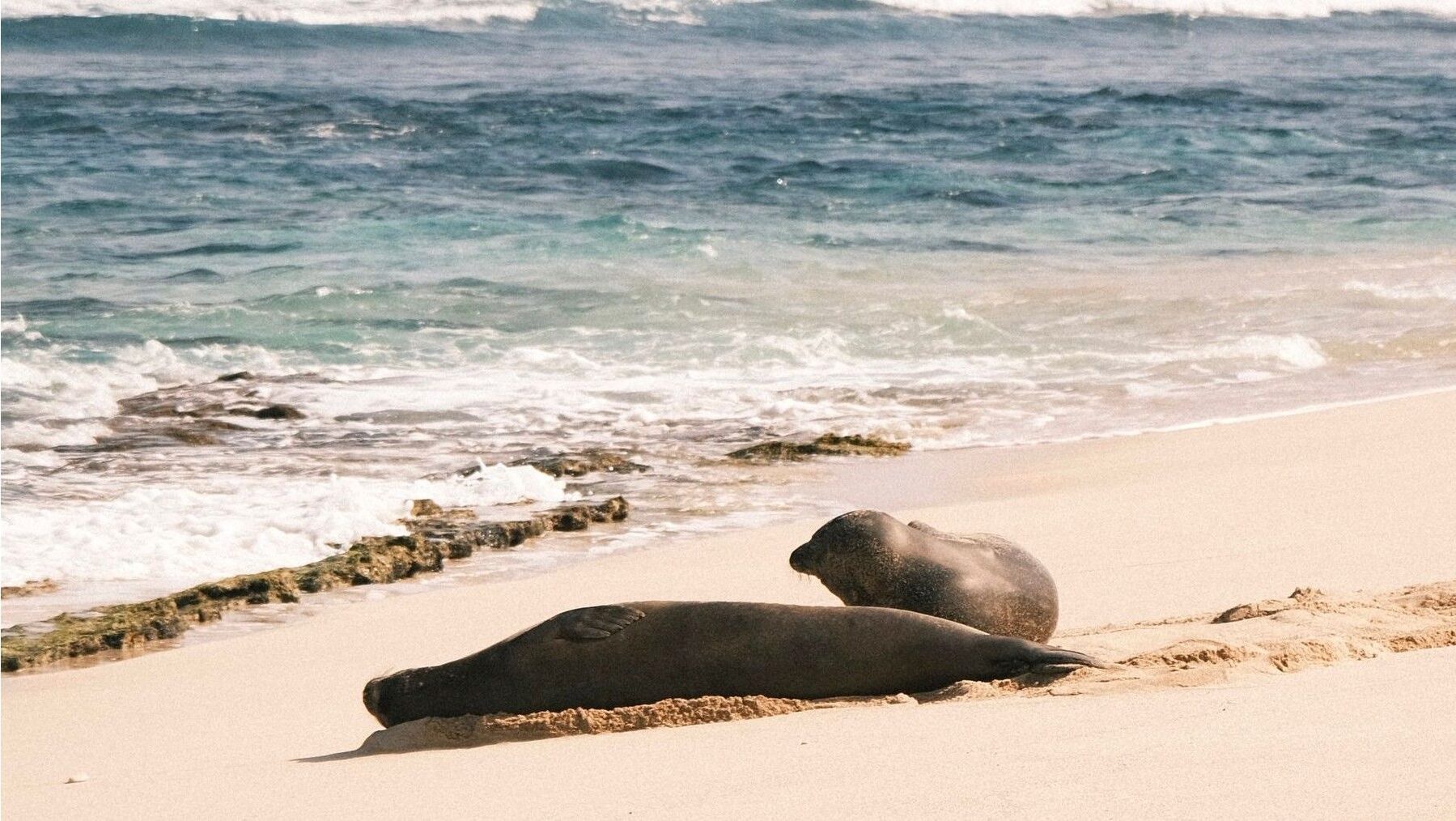
The National Red List of Threatened Species, the first of its kind in Spain under the criteria of the International Union for Conservation of Nature (IUCN), has identified two species regionally extinct—the boreal lynx and the sturgeon—and 93 in critical danger —such as the monk seal or the Gran Canaria dragon tree—.
This first official national list, prepared by a group of specialists sponsored by the Commission for Species Survival (CSE) and the Spanish Committee of the IUCN, has evaluated the extinction risk of 1,937 endemic species, which are found only in Spain, and near-endemic species, which are also located in Portugal, France, Andorra or Gibraltar.
The document has identified five extinct species, 213 endangered, 238 vulnerable and 331 near threatened. There are also 801 species categorized as of least concern and for 254 there is insufficient data.
Wolf and Iberian Lynx Remain Vulnerable Species
In the case of the wolf and the Iberian lynx, the list places them in the vulnerable category, since there are fewer than 1,000 adult individuals, but more than 500, explained during the list’s presentation by Luis Santiago Cano-Alonso, representative of the CSE, one of the bodies tasked with ensuring that this roster of threatened species meets the IUCN criteria. The wolf maintains a stable trend, while the Iberian lynx population is increasing.
Meanwhile, the eel or the Gran Canaria dragon tree are listed as critically endangered and their populations are declining. In this category are also several species of grasshoppers, slugs, and the monk seal. Of the total species evaluated in the National Red List, 1,456 are invertebrates, mainly insects and mollusks.
Representatives of the CSE and the Spanish IUCN Committee have detailed that 1,732 of the species evaluated in the National Red List come directly from the IUCN’s International Red List of Threatened Species. The remaining 205 species are homologated evaluations prepared by groups of experts.
The Value of Voluntary Evaluations
Cano-Alonso has noted that in total they have received 637 evaluations and that 205 have been homologated, and of these, 83 —which are endemic to Spain— have been sent to the IUCN’s species evaluation system for study.
He also highlighted that at the tail end of the homologation there are species of mollusks, butterflies, amphibians and spiders. And he stressed that there are no fixed criteria “to evaluate one species or another,” which depends “on the interest of the specialists and working groups in presenting their evaluations.”