
The Foundation for the Conservation of the Bearded Vulture (FCQ) has surveyed 984 hectares of the Cotiella massif in Huesca this year and found not a single Alpine ptarmigan. Nor any sign of its presence. Its recorders also accumulated 782 hours of sound with no flysing or calls, and the last detection of the species in this corner of the Aragonese Pyrenees dates back to 2018.
With these data in hand, the foundation considers it likely that the breeding population in Cotiella has disappeared. Why all the fuss over a high-mountain bird? Because the snow ptarmigan acts as an early warning system for what happens to the high mountains.
Armeña and Lavasar, inch by inch
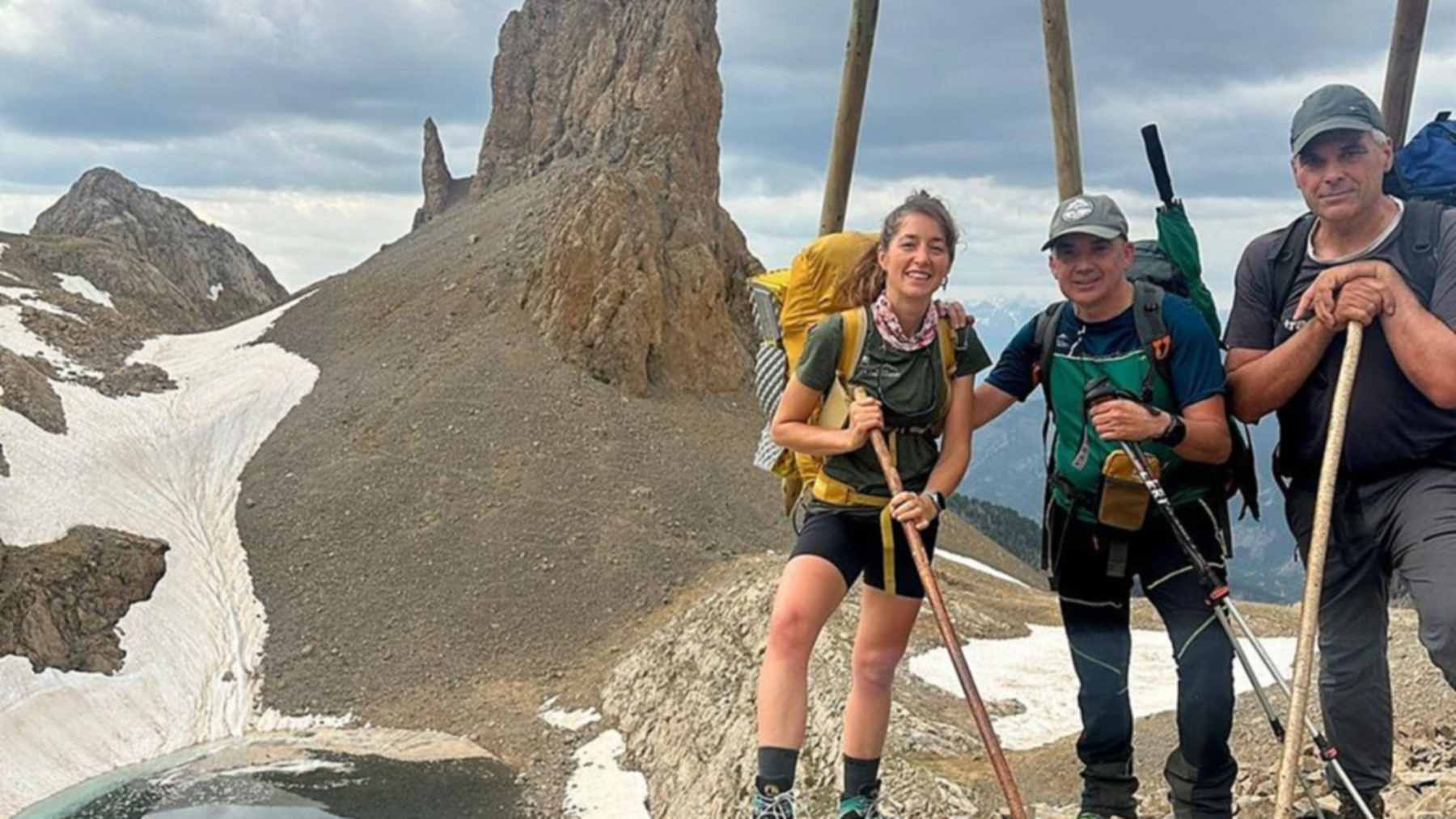
The 2026 fieldwork focused on two sectors of the massif, Armeña and Lavasar. There the technicians walked across the 984 hectares in search of birds or any trace of their passage. Nothing emerged.
To avoid relying solely on binoculars, the FCQ left autonomous sound recorders on the mountain that capture the sounds even when no one is nearby. They totaled 782 hours of recording, and in none was the species heard. The project moved forward with the help of the Ibercaja Foundation, within its 2025 environmental sustainability funding call.
63 calls in another area
There could be reasonable doubt that the devices simply malfunctioned. That is why the foundation placed equipment in a control area outside Cotiella, where the snow ptarmigan remains present.
In that location the recorders gathered 63 files containing the bird’s calls. In other words, the method detects the bird when it is present. The silence of Cotiella therefore does not seem to be a technical fault.
Still, the FCQ speaks cautiously. The press release states that the results “strengthen the hypothesis of the disappearance of the breeding population.” That said, they do not rule out the arrival of new birds from nearby massifs.
From 11 detections to none
Reviewing historical records, the foundation counted 11 positive detections across 20 visits to the massif between 1986 and 1999. More than half of those expeditions yielded results.
Between 2000 and 2017, by contrast, there were only two. After the last signal, in 2018, technicians have conducted 25 more visits and found no evidence that the bird remains there. Is a chart really needed to see it?
Cotiella sits at the southern edge of the lagopody’s distribution in the Pyrenees, and its high-mountain habitats are fairly isolated—a poor starting point. Edge populations are often the first to bear the brunt of any change.
A bird of the Ice Age
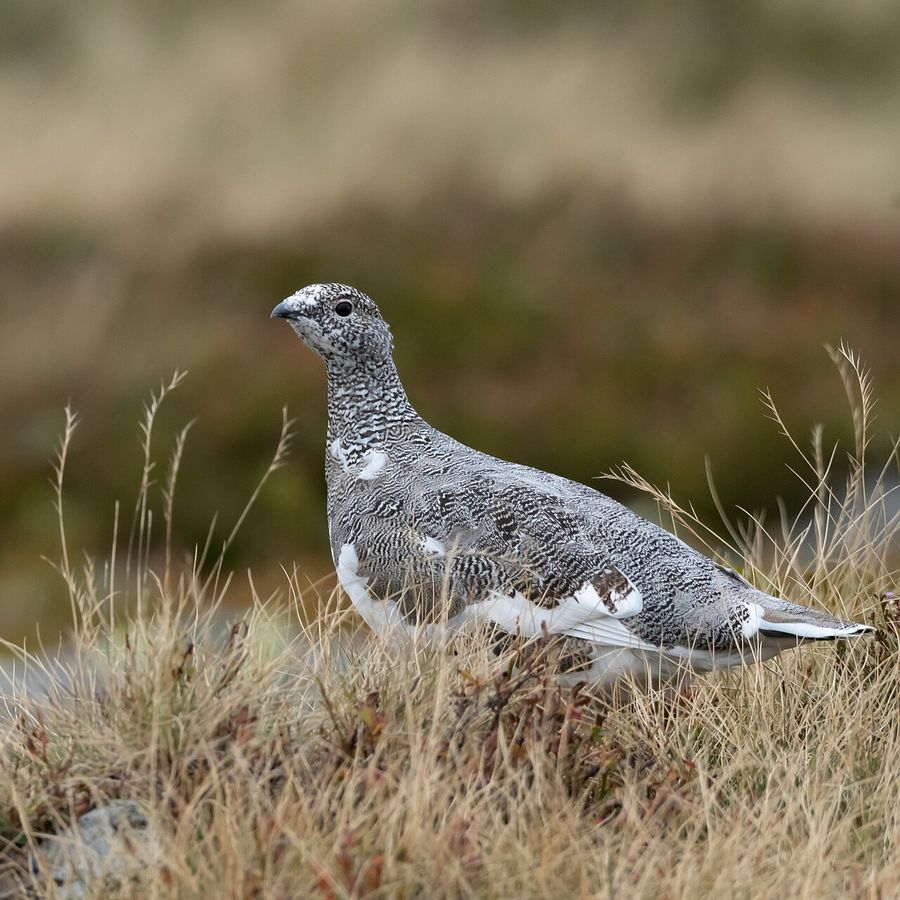
The alpine ptarmigan (Lagopus muta) is a boreo-alpine species, built for the extreme cold. The FCQ defines it as “a true relic of the last glaciations.” As the great glaciers of the Pleistocene retreated, some populations became isolated on the coldest summits of southern Europe.
Today those cold refuges are shrinking. Cold environments are diminishing, the snow cover is changing, and alpine habitats are transforming—a serious matter for a bird that turns white in winter. Hence the foundation regards it as a “sentinel species of climate change.”
And it is not the only species in trouble up there. The high-mountain plants of the Pyrenees are also losing ground to rising temperatures.
0.414 degrees more per decade
Climate data for the study area show that the average annual temperature rose by 0.414 °C per decade between 1986 and 2025. That might seem small. Over nearly four decades, that rate translates to a little more than one and a half degrees Celsius.
The FCQ acknowledges that it cannot prove a direct causal link between this warming and the bird’s decline. Yet it regards it as “especially worrisome” that the two curves move in tandem.
A study by the National Museum of Natural Sciences (MNCN-CSIC) found that the A294 ice cave at Cotiella is losing ice dating back 6,100 years at an unprecedented rate. The Pyrenean glaciers, meanwhile, have lost 94.5% of their surface since the mid-19th century, according to the Pyrenean Climate Change Observatory. So much so that this could be the first European mountain range without glaciers.
The neighboring mountains, without a census
The press release does not specify how many snow ptarmigan inhabit today the nearby massifs. Nor does it say how frequently they move from one summit to another. And that is precisely what would decide whether Cotiella could recover the species on its own.
The FCQ, which has just renewed its bearded vulture monitoring app, calls for stronger monitoring programs for alpine species. Without data for each massif, local disappearances go unnoticed. And when someone does notice, sometimes it is already too late.
The results have been published by the Foundation for the Conservation of the Bearded Vulture on its website, in the article Alpine Ptarmigan Disappears from the Cotiella Massif.
Photo: Foundation for the Conservation of the Bearded Vulture
