
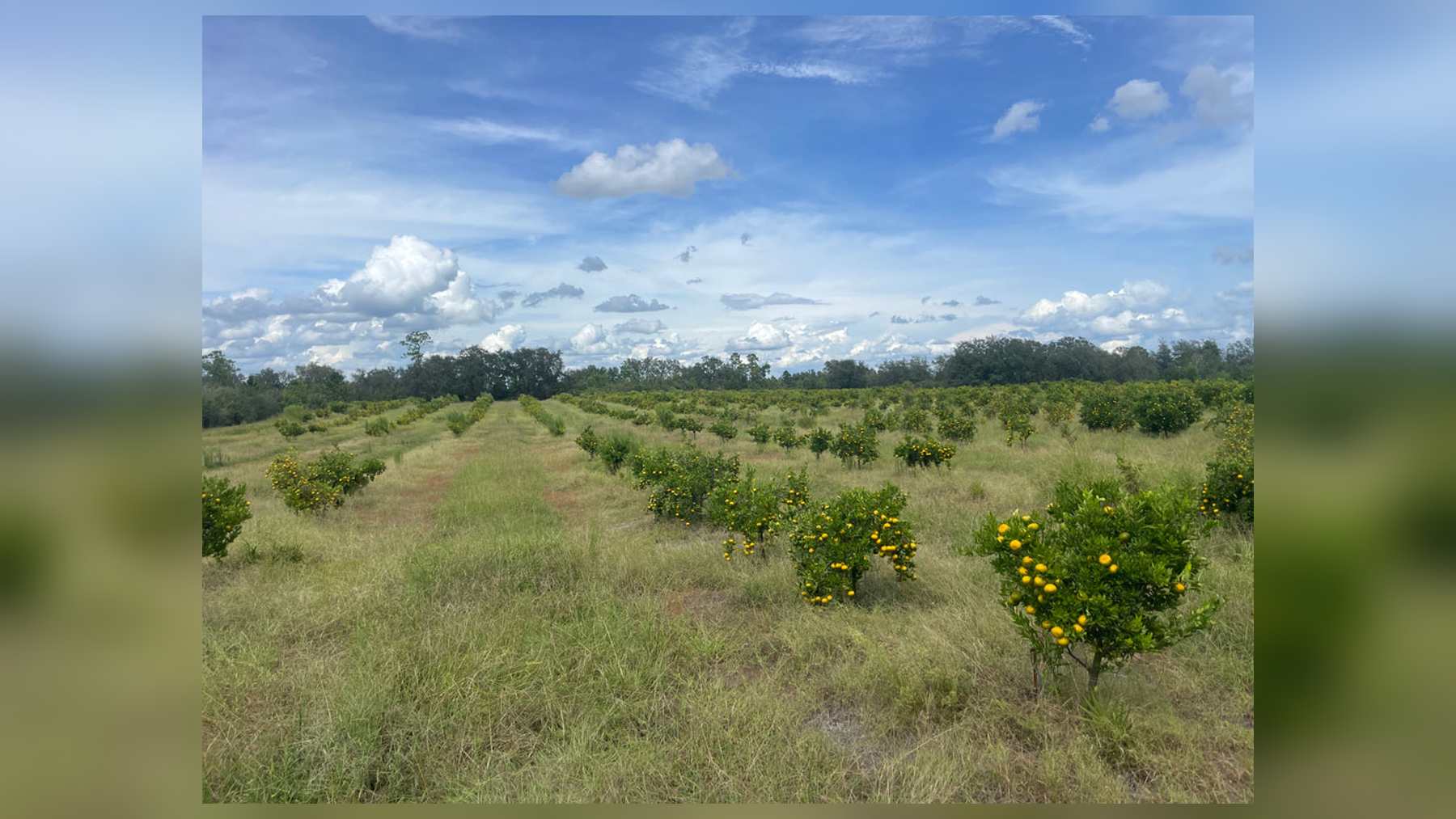
In the 1930s, the Padgett family bought a house dating from 1876 and 16 acres of land in the southern part of Putnam County, Florida, near Crescent City. Their descendants still live in that same house, renovated with modern conveniences, and the surrounding estate, Meetinghouse Groves, has been permanently protected with a conservation easement valued at $2.665 million.
The agreement covers 816.46 acres (about 330.4 hectares) and was funded with state and federal money. It prevents the land from being developed and allows the family to continue cultivating citrus, magnolias, and pines, according to the North Florida Land Trust, which provided the details on August 31.
Key figures of Meetinghouse Groves
| Metric | Value |
|---|---|
| Protected area | 816.46 acres (330.4 hectares) |
| Cost of the easement | $2,665,000 |
| State contribution (RFLPP) | $1,359,000 (51%) |
| Federal contribution (NRCS/RCPP) | $1,306,000 (49%) |
| Cost per hectare (estimated) | about $8,070 |
| Citrus, magnolias and longleaf pine | about 87 hectares |
| Distance to George Lake Conservation Area | about 400 meters |
A House Built in 1876 and Four Generations
The Padgett family’s connection to this land spans four generations. Over the years they expanded the property to exceed 850 acres (about 344 hectares).
Today the estate comprises about 40 hectares of citrus, about 6 hectares of magnolias used for floral arrangements, and another 40 hectares of longleaf pine for timber. In total they sum to about 87 hectares, roughly a quarter of the estate. Surrounding areas include wetlands, upland habitats, and portions of three lakes.
The name derives from a building that no longer exists. There once stood a meeting house and a school for the community, and the site served as a gathering point between people from the east and the west, according to the trust.
Jim Padgett, the family spokesperson, explains that they see themselves as more than owners. They consider themselves guardians of the natural value of their forests, wetlands, lakes, ponds, cultivated lands, endangered species, and other fauna, and for them it was important to leave the land as it is.
«We Floridians are proud and want to see this part of old Florida preserved, undeveloped, in perpetuity,» Padgett said. «I especially want to thank Willy the Losen, of Putnam Land Conservancy, and Kim Hall, of North Florida Land Trust, for guiding and supporting the preservation of this and other valuable lands in Florida.»
What a Conservation Easement Purchases
A conservation easement is a legal agreement in which the owner commits to limiting how much and what can be built on the land, often in exchange for money. This is explained by the Florida Department of Environmental Protection.
Most of these easements “run with the land,” the department adds. That means they bind the current owner and all future owners.
The owner retains title and continues to farm the property within the agreed terms. Although the agreement may permit public access, the official guidance clarifies that these areas remain private and that “the public does not have access unless the owner allows it.”
At Meetinghouse Groves, the easement is held by the Florida Department of Agriculture and Consumer Services’ Rural and Family Lands Protection Program (FDACS). By buying only development rights, the program saves the cost of acquiring and maintaining public lands, according to FDACS itself.
Two Public Programs and Five Partners
The state program contributed $1,359,000. The other $1,306,000 came from the Regional Conservation Partnership Program (RCPP) of the Natural Resources Conservation Service, part of the U.S. Department of Agriculture.
That equates to about $3,260 per acre, or around $8,070 per hectare. Putnam Land Conservancy helped the owner apply for the state funds and North Florida Land Trust secured the federal funds, and the two organizations accompanied the family through to signing.
“This important conservation easement is a great example of the power of partnerships to conserve land,” said Willy the Losen, Director of Conservation at Putnam Land Conservancy. “There were five partners: two funding sources, two land trusts, and the owner; each played an essential role in helping to protect their slice of ‘Old Florida’ for farming and the Florida Wildlife Corridor in this part of the state.”
“This is an example of true collaboration, because we all came together to keep this precious land as conserved land forever,” stated Allison DeFoor, President and CEO of North Florida Land Trust. “The family has cared for the land for generations and, with this conservation easement, it is ensured that it will remain protected for future generations.”
Another Piece in the O2O Corridor
The property sits within the wildlife corridor linking the Ocala and Osceola National Forests, known as the O2O. To the west it borders Welaka Woods, another conservation easement held by North Florida Land Trust.
The O2O corridor spans 1.6 million acres (about 647,500 hectares) of public and private lands and stretches 100 miles (around 161 kilometers). North Florida Land Trust, which leads the corridor alliance, has set a goal to protect 140,000 acres (about 56,650 hectares) in 20 years.
According to the trust, if that network of lands is kept intact, the O2O will continue to provide habitat for Florida black bears, the species for which the state authorized its first hunt in ten years in 2025. It will also support threatened species such as the red-cockaded woodpecker, the indigo snake, and the gopher tortoise.
This is not an isolated case in Florida. A few days ago we reported how a rancher sold the state the development rights of his 267-hectare ranch within a wildlife corridor home to panthers and indigo snakes.
Three Sandhill Lakes and a Protected Area 400 Meters Away
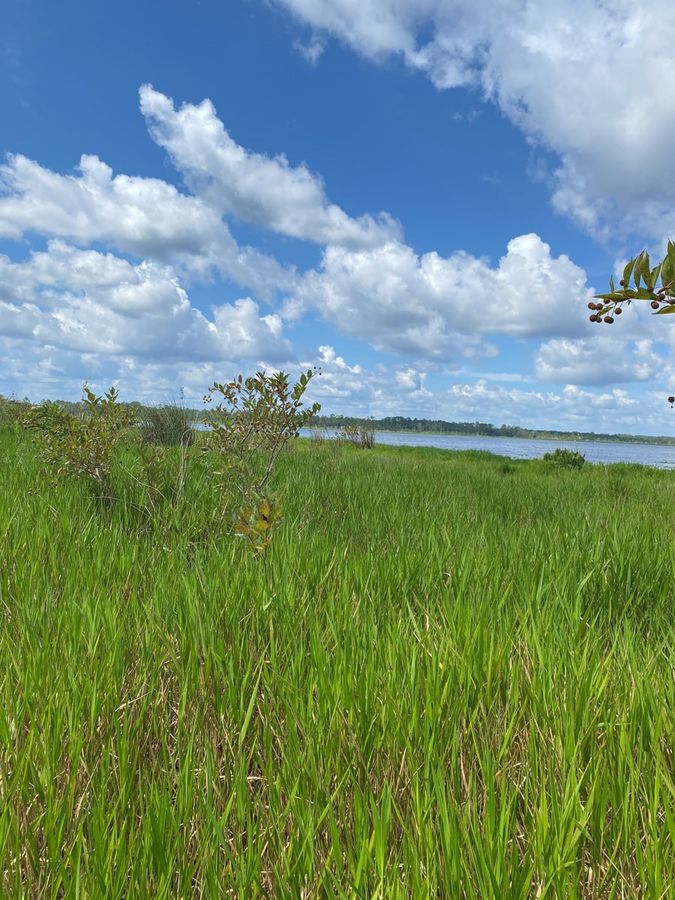
The property sits between Margaret Lake and Silver Lake, according to FDACS. It includes wetlands with and without tree cover, as well as upland areas used for cultivation.
Within its boundaries are portions of three sandhill lakes, the sandy hills with open pine forests typical of northern Florida. The George Lake Conservation Area lies about a quarter of a mile to the south, about 400 meters.
The estate is enrolled in the Florida Department of Agriculture and Consumer Services’ Best Management Practices (BMP) programs. These are guidelines to balance resource protection with uses like farming, and the Environmental Protection guidance regards them as one of the best ways to achieve this on easement lands.
Four Farms in the Same Announcement
On August 21, Florida Agriculture Commissioner Wilton Simpson announced the protection of more than 1,500 acres (about 607 hectares) spread across four farms. Meetinghouse Groves is the largest and the most expensive.
The other three are Bishop Family Farms, about 228 acres in Jefferson County for $1,347,700; Warren Timberlands, 136 acres of timber along the Chipola River in Calhoun, for $381,000, and Stevens Land and Cattle, 485 acres of citrus and cattle in Hardee, for $2,475,000.
“Florida farmers and ranchers are our most important conservation partners, and the Rural and Family Lands Protection Program works with them to protect their land from urbanization while they continue to farm and feed our communities,” Simpson said.
“Florida is a national leader in the use of conservation easements, the most cost-effective conservation tool we have to protect as much as possible of our agricultural lands, wildlife habitat, and natural resources from urbanization, before it’s too late,” he added.
Since the program began in 2001, it has preserved more than 246,000 acres (about 99,550 hectares), more than 180,000 of them under Simpson’s leadership as head of the department. Since 2022, Simpson has helped secure more than $1.1 billion in state funds for the program, $425 million of them in the 2026/2027 budget.
The same approach is repeated in other states. In Utah, two brothers ceded development rights for 8.4 hectares beside Zion National Park, and the estate remained in the family.
What Official Notes Do Not Tell
Neither the FDACS nor the two trusts have published the clauses of the agreement. It is not known which farming or forestry uses are restricted or whether there will be any kind of visits, though the general rule is that the property remains closed unless the family permits.
There is also no fauna inventory for the property. Its value to the black bear and other species is inferred from its location in the O2O and its adjacency to Welaka Woods, and the 647,500 hectares of the corridor mix public and private lands with varying degrees of protection.
The official announcement was published by FDACS on August 21, 2026, and North Florida Land Trust detailed the funding and the estate’s history in its August 31 statement.
In the 1876 house, meanwhile, descendants of the original buyers continue to live, now with the certainty that no surrounding urbanization will arise.
Photo: Florida Department of Agriculture and Consumer Services (FDACS)
