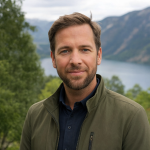
Marta Ares Godoy, director of REDS-SDSN Spain, defends collaboration among municipalities, businesses, and citizens to turn environmental objectives into improvements in daily life in cities.
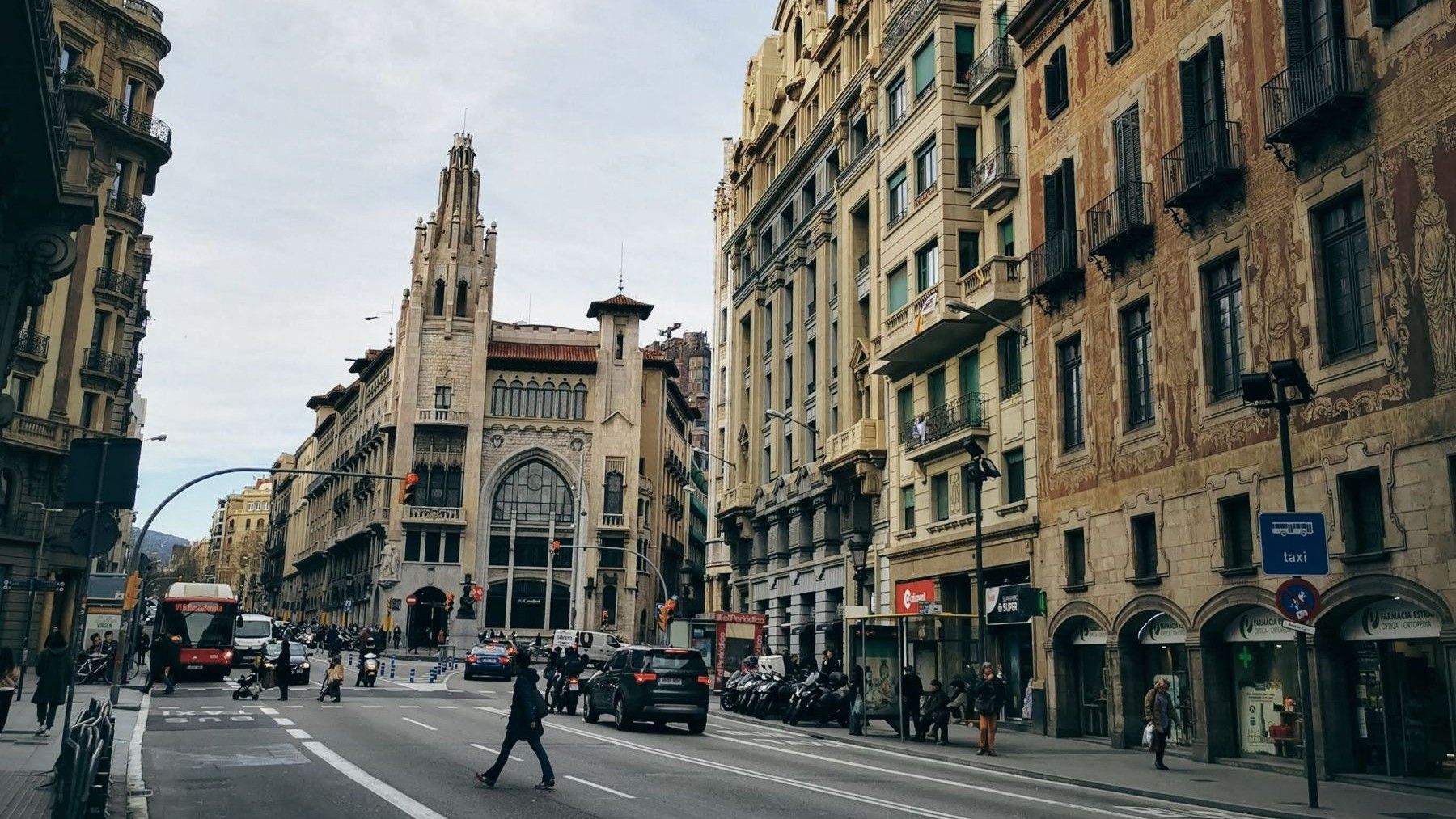
The ecological transition involves actions as commonplace as rehabilitating a dwelling, improving an urban bus line, or finding ways to facilitate waste separation, and cities are fundamental in addressing this challenge.
Ahead of the upcoming Neutral Cities Forum 2030, to be held on October 2 in Madrid, Ares Godoy has called for a shared vision among administrations, businesses, and citizens. She emphasized the importance of the proximity of municipalities to these problems and their ability to bring together scientific knowledge, citizen experiences, and business resources.
Results are conditioned by underlying inequalities, since having a thermally conditioned home or access to accessible and efficient public transport can change the lives of many people. The Unicities 2030 initiative shows a path to incorporate knowledge into city action plans: identify a need, study it, and turn it into decisions that bring sustainability closer to daily life.
The key to the ecological transition lies in cities
«The ecological transition will be local; it will be a challenge we must tackle from the cities, or it will not happen», says Marta Ares Godoy, director of the Spanish Network for Sustainable Development (REDS-SDSN Spain), and in this sense, collaboration between public authorities, companies, and citizens is «fundamental».
«We need a lot of listening, a lot of dialogue, and to bring together all these capacities in a shared vision and in a collaboration that allows us to face this challenge», she explains in an interview ahead of her participation in the Forum Ciudades Neutras 2030 on October 2 in Madrid.
«In cities one of the largest energy expenditures occurs», recalls Ares Godoy, so it is «important» that urban areas have «public policies that include the perspective of sustainable development». According to the UN, although «they occupy barely 3% of the Earth’s surface», cities account for «between 60% and 80% of energy consumption and 75% of carbon emissions».
For this reason, the director of REDS-SDSN Spain advocates taking measures to make them «much less polluting» and to protect the population «from issues that relate not only to quality of life but also to health».
Cities must be sustainable-neutral
Cities, she stresses, are «the places where the most people live», so combining policies «that integrate this vision of no pollution, no emissions» cannot be an isolated matter, but must be linked with «other types of policies that have to do with daily life: transport, mobility, recycling…».
In this sense, a city is considered neutral when it is «committed» to sustainable development, which not only includes caring for the environment and reducing pollution, but also «social and economic aspects to be prepared for environmental challenges».
To this end, Ares Godoy explains that public policy (and local policy specifically) «is fundamental» because municipalities are the ones who «know the territory, its problems and its real needs».
They are also «ideal spaces to forge alliances» between scientific knowledge, the private sector, and environmental organizations to mobilize resources and capabilities with which to develop «concrete solutions».
Several collaborative projects underway
In this vein, REDS-SDSN Spain is driving the Unicities 2030 initiative, which connects municipalities with university students to identify a concrete problem (mobility, recycling, or urban planning, for example) and, together with a municipal mentor, «address that scientific inquiry and propose solutions». In addition to guiding, the municipalities include those proposals in their municipal action plans, she added.
Voices of Sustainable Development, another initiative of REDS-SDSN Spain, focuses on «telling individual life experiences» of neighbors in different cities of Spain so that each person, as a citizen, understands the particular importance of their role in promoting the ecological transition. It also advocates that institutions and local governments «assume this ecological transition as a fundamental matter and a priority».
Fighting climate inequality
Ares Godoy also recalls that «the ecological transition has a specific component of inequalities» because living in an energy-efficient dwelling or one protected from high temperatures is not the same as living in one without those conditions.
Nor is it the same, she adds, to use a private vehicle than to rely on a transport network that allows emissions to be reduced «collectively», nor whether the local public recycling system is prepared to «manage waste in a sustainable way».
On the positive side, she notes that, «beyond political noise and polarization», there is «a great awareness» of the need to address global challenges such as climate change. That social awareness is now being «collected, analyzed and pushed forward by many local governments, municipalities, and cities», she concludes.