
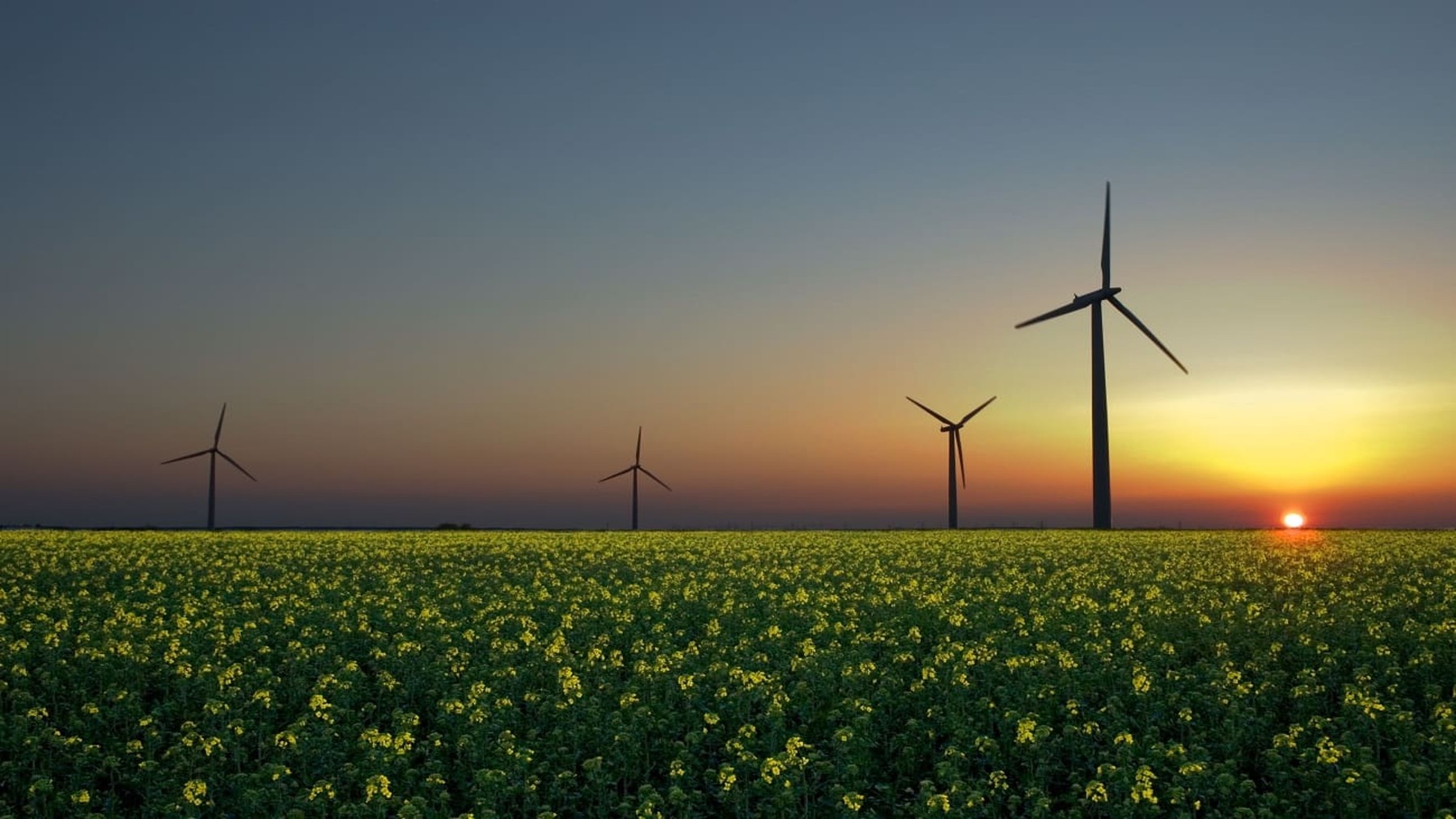
The organization Friends of the Earth warns that the rollout of wind and solar parks raises questions about who benefits from the energy transition and who bears its environmental, social, and economic impacts.
Renewable energy has become the defining banner in the fight against climate change; there is no doubt about that. Yet, behind the narratives of sustainability and promises of a future with no emissions, there is a lingering question: are we building a fair energy model, or is this merely a façade that allows large companies to move away from fossil fuels while continuing to amass wealth in another way?
In response to this, Friends of the Earth issues a warning: could the energy transition end up reproducing the same inequalities, abuses, and extractive dynamics that it claims to oppose, but under the banner of renewables?
Renewables That Conceal Very Dubious Practices Beneath
The environmental organization argues that setting up wind farms and photovoltaic parks does not automatically render a project sustainable. If farmland is appropriated, biodiversity deteriorates, resources are monopolized, and communities are displaced from their territories, the green label alone is insufficient to justify it.
The underlying issue, then, is a model that continues to chase unlimited economic growth and turns renewable energy into a commodity governed by financial interests.
One of the most controversial cases highlighted by the organization is the Israeli company Enlight Renewable Energy, which it accuses of using sustainability rhetoric to whitewash its activities in Palestinian territories.
Friends of the Earth argues that commercial operations should not be allowed in Spain for companies that, according to the denunciation, collaborate with occupation and even genocide, however they dress these activities as renewable ventures.
The controversy takes on direct significance here, as Enlight launched what the organization identifies as the largest wind park in the country and has received government approval to expand the project with a photovoltaic installation and a lithium battery storage plant.
But the critique goes far beyond a single company. The organization questions why a large portion of major renewable projects are concentrated in rural areas while electricity is consumed, to a large extent, in cities and industrial parks. More than 80% of electricity generation, according to the data it collects, takes place far from the main consumption centers. The result can be an uneven distribution of benefits and impacts: rural territories bear land occupation and environmental consequences in order to supply demands elsewhere.
The alternative it proposes involves first tapping rooftops on homes, public buildings, parking lots, and industrial facilities; promoting self-consumption and giving prominence to energy communities. It also calls for citizen participation from the outset, transparent information, and real capacity for local populations to reject projects that affect their territories.
The complaint also highlights another contradiction: the green transition requires minerals such as lithium, cobalt, and copper, whose extraction can cause pollution, violate rights, and create new sacrifice zones. Added to this is the relationship between energy resources, geopolitical conflicts, and the military industry.
In short, one thing remains clear: not everything carrying the renewable label is necessarily fair. Decarbonization cannot mean sacrificing people, territories, and rights in the name of a new business opportunity. If the energy transition reproduces the abuses of the model it seeks to replace, perhaps we are not changing the system, but merely dressing it in a green veneer.
