
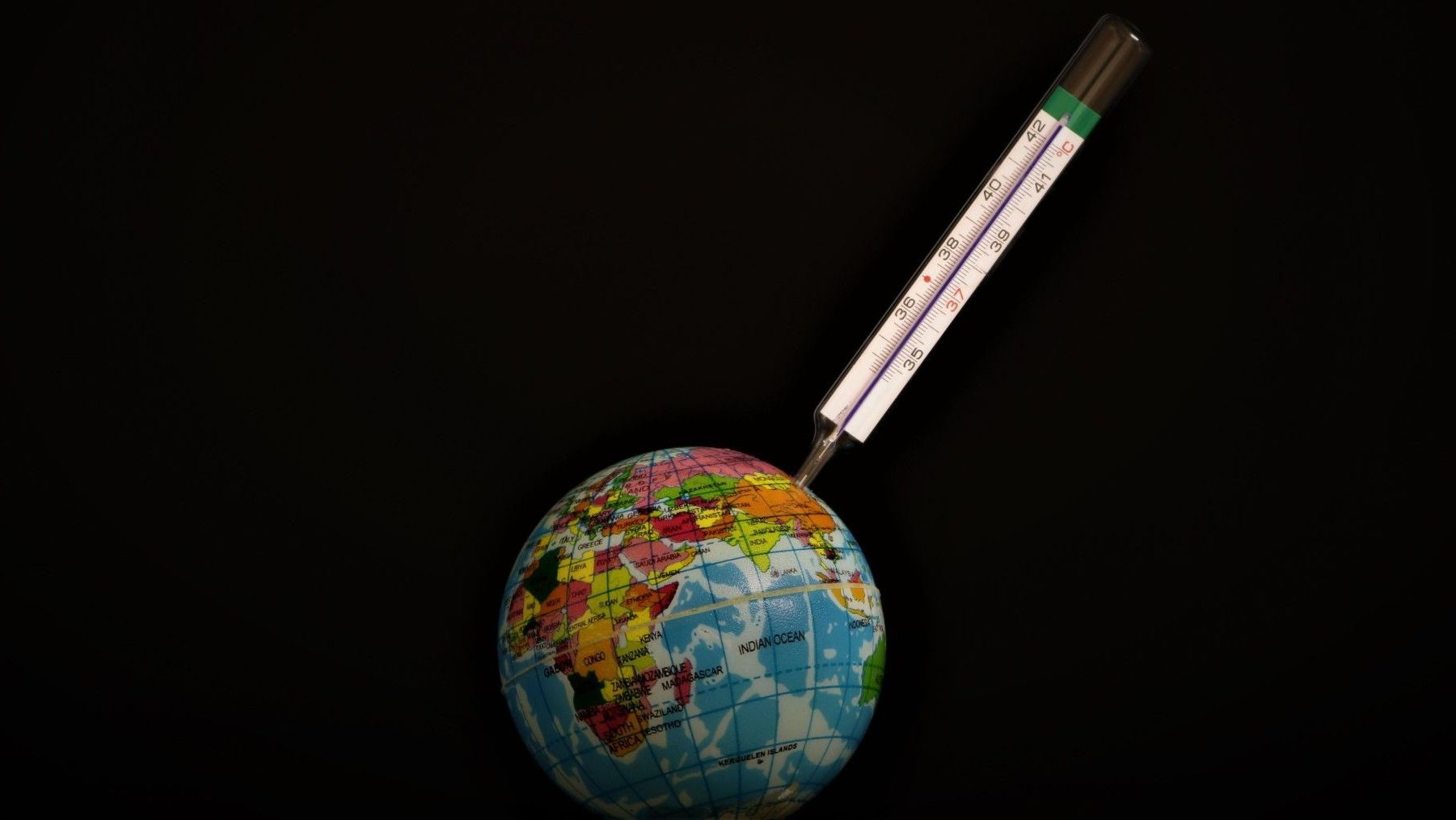
National commitments would barely allow emissions to be reduced by between 11% and 15% by 2035 compared to 2025. COP31 faces the challenge of speeding up measures and financing in the face of warming that worsens disasters.
The COP31 will open on November 9 in Antalya with a gap that current promises fail to close. The United Nations Environment Programme (UNEP) proposes cutting global emissions by 45% by 2035 compared with 2025, while national commitments would only permit reductions of between 11% and 15%, even if fully implemented.
The gap has consequences for future warming. According to the agency, current policies are steering the planet toward 2.8 °C this century. Its lower-overrun scenario aims to limit the peak to between 1.7 and 1.8 °C and return to 1.5 °C or less by 2100, with about a 50% probability. To achieve this, it requires steep cuts and a growing removal of CO2 from the atmosphere.
The summit must translate the agreements into measures to reduce fossil fuel use, accelerate electrification, and finance adaptation. Expert Rachel Cleetus also calls for investing in prevention and resilience to protect the most exposed populations before new disasters strike.
What will happen at COP31?
The climate crisis that science warned about for decades is already here, with unprecedented heat waves, massive fires, and disasters that challenge governments’ capacity, while governments arrive at the UN climate summit (COP31) in Turkey without having their obligations fulfilled.
«We are already living in a dangerously altered climate regime, largely due to the burning of fossil fuels,» says Rachel Cleetus, director of the climate program at the Union of Concerned Scientists, a Cambridge, Massachusetts-based organization founded in 1969.
«We have just experienced the warmest summer ever recorded, and next year new heat records will be broken due to the combination of a very intense El Niño event and climate change caused by fossil fuels,» Cleetus maintains.
The COP31, which begins on November 9 in Antalya, on the Turkish Mediterranean coast, must address the gap between an increasingly evident climate crisis and an international response that advances, but not at the pace needed.
Pre-agreed matters that must be put into practice
Unlike other climate summits, this year’s gathering does not aim for a big announcement, but to put into practice issues already agreed, in other words, to move from promises to action is one of COP31’s slogans, led for the first time by two countries: Turkey and Australia. Cleetus urges States, especially the wealthy, to do everything possible to reduce emissions, as well as to fund those on the front lines of the climate crisis.
«We must invest much more in prevention and resilience, not simply react after disasters», insists the expert, who notes that extreme climate events strike poorer countries hardest, which have contributed the least to the problem.
The 1.5-degree limit is going to be exceeded
«The world cannot avoid surpassing the 1.5-degree limit and the consequences are already devastating», said UN Secretary-General António Guterres about the recent UNEP report outlining that scenario.
The challenge now is to contain global warming and to ensure the temperature returns below that threshold as soon as possible. Although global emissions barely changed in 2025 compared with 2024, they remain too high: with the current trend, the planet is headed toward warming of up to 2.8 degrees by the end of the century.
The UNEP envisions limiting warming to a maximum of 1.8 degrees and returning to 1.5 degrees or less by 2100, but that requires cutting emissions by 45% from 2025 to 2035 and also removing CO2 from the atmosphere. Yet current national commitments would barely allow reductions of 11% to 15% between 2025 and 2035.
At the COP31 in Antalya, governments must address how to close that gap with measures to accelerate electrification and mobilize the money necessary for developing countries to implement their climate plans. Cleetus finds it “desolate and outrageous” that decades of inaction have driven the world to surpass 1.5 degrees, a huge climate injustice.
Nevertheless, the expert reminds us that it remains in our hands “how much and for how long we exceed 1.5 degrees and how to better prepare and protect the population.” The insufficient response to warming has a toll in lives, as warned by the Lancet Countdown 2026 report, which analyzes its health effects.
That international study prepared with the World Health Organization (WHO) estimates that heat was linked to about 710,000 deaths in 2023, more than 70% of them due to warming caused by human activity.
Renewables are leading the way
The advancement of renewable energy offers an optimistic counterpoint, since since the historic 2015 Paris Agreement its capacity to generate electric power has grown three times faster than expected at the time and solar photovoltaic deployment has even grown sevenfold, according to UNEP.
The Turkish presidency of COP31 wants to leverage that momentum to raise the share of electricity in global energy consumption from just over the current 20% to 35% by 2035, one of the major initiatives of the Antalya summit under the slogan ’35 for the 35’.
With the United States absent from the COP31 summit and a less ambitious European Union, Cleetus highlights China’s role, whose ability to manufacture and export clean technologies, alongside the pace at which it reduces coal use, will be key to the global energy transition.
According to calculations by the climate outlet ‘Carbon Brief’, the clean technologies that China exports in 2026, such as solar panels and electric vehicles, could avert about 450 million tonnes of CO2 per year, a level comparable to Brazil’s annual fossil fuel emissions, the largest economy in Latin America.
Electrification yes, but with renewables as the base
The challenge of electrifying the economy also requires changing how that electricity is produced. According to IRENA data published in July 2026, renewables accounted for 31.7% of global electric generation in 2024.
The agency estimates that, to support the initiative of raising electricity to 35% of final energy demand by 2035, that renewable share should reach the 78%. The goal therefore commits two simultaneous transformations: replacing fossil fuel uses with electricity and rapidly expanding the clean generation that will supply it.
