
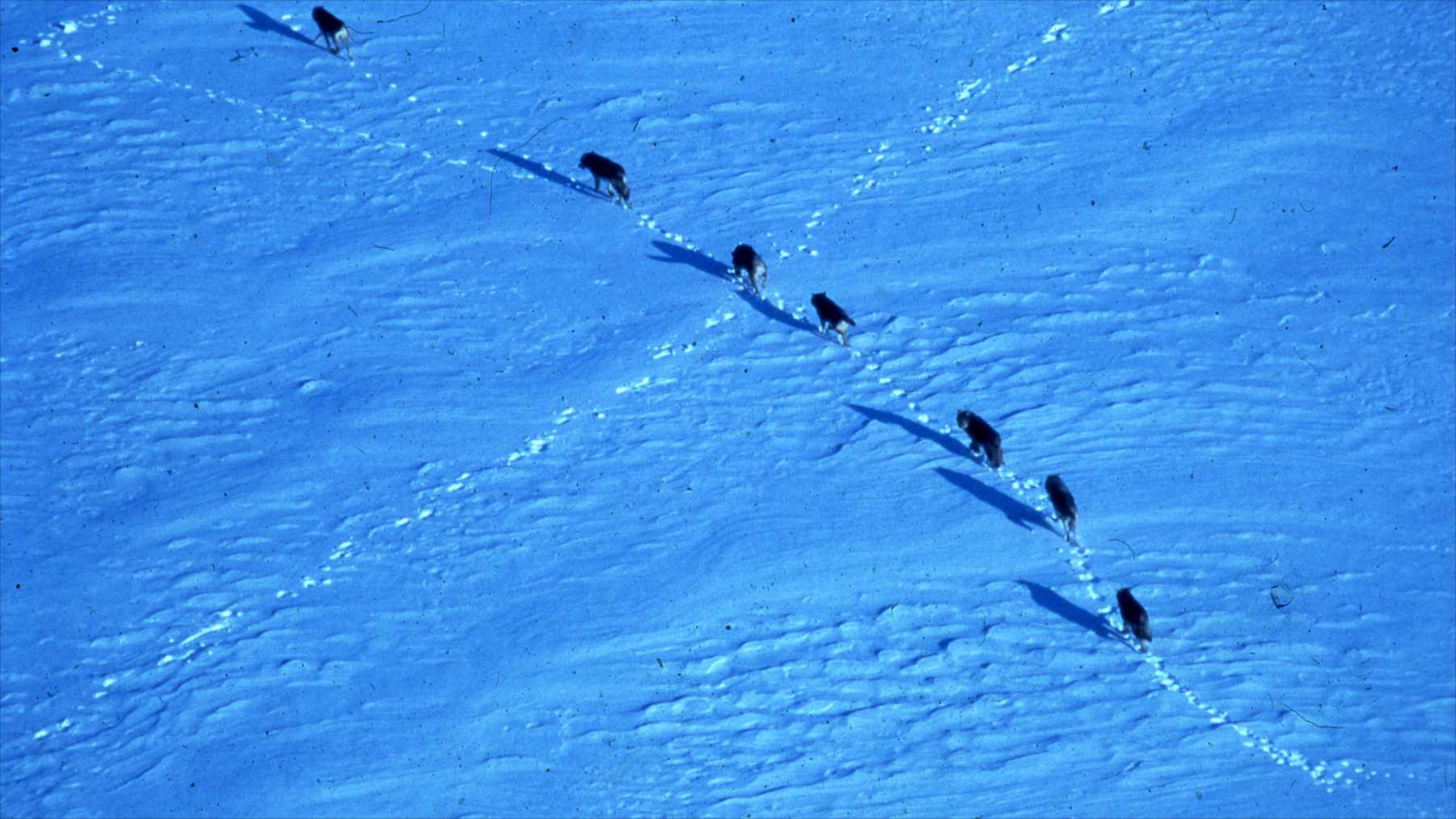
The return of wolves to Isle Royale National Park, on Lake Superior, now has a scientific reckoning. A study published on August 28, 2026 concludes that relocating 19 individuals allowed the population to rebound to a level capable of reproducing and sustaining itself, although its genetic future remains unresolved.
The research tracked the animals from 2018 to 2023, counting at least 27 wolves. The winter census of 2026 by Michigan Technological University estimated 37, but also issued an important caveat: restoring the predator does not mean the forest has already recovered.
Why wolves were brought to the island
In 2016, only two wolves remained, closely related and not reproducing. Meanwhile, moose exerted strong pressure on vegetation by feeding on shoots and branches, a situation that worried park officials.
The United States National Park Service relocated 19 wolves from Minnesota, Michigan, and Ontario between September 2018 and September 2019. The aim was to reestablish predation and form a population that would persist for at least 20 years, restoring to the ecosystem a component that was on the verge of being lost.
Signs of recovery
Researchers combined GPS collars, trail cameras, and howling monitoring to follow the animals. The minimum count rose from 10 wolves in the winter of 2019–2020 to 27 in 2022–2023, with reproduction documented during the monitoring period.
Additionally, they documented at least 10 litters and 29 pups over the course of the study, and identified three packs. The pup count reflects births accumulated over several years, while the census indicates how many animals were detected at a particular moment.
Is it enough to release animals to recover a population? As researcher Jerry Belant explained in an official 2020 statement, “documenting reproduction is fundamental to the success of any introduction.” The pups provided precisely that signal.
A recovery with losses
The monitoring also recorded 11 deaths among 28 wolves fitted with collars. Five were attributed to confirmed or suspected attacks by other wolves and four remained with undetermined causes.
The other two occurred shortly after release and were linked to apparent injuries or stress from capture or relocation. Both cases were excluded from the analysis that estimated an annual survival of 74%, so it is important to understand how that percentage was calculated.
What may happen in twenty years
To explore the future, the team used simulations that incorporated the observed survival and reproduction. The models placed the probability of the population persisting for 20 years above 80%, even when considering the negative effects of inbreeding, i.e., reproduction among relatives.
This is a conditional forecast, not twenty years of proven persistence. The authors themselves caution that the results depend on the model’s assumptions, including how many wolves the island can sustain with its resources.
Kinship remains a concern
The ties among animals originating from Michipicoten, a Canadian island, helped form packs. But the weight of that family line could also reduce genetic diversity in future generations, a problem that requires looking beyond the raw number of individuals.
Isolation complicates matters, because it limits the arrival of wolves from other populations. According to the National Park Service, warming reduces opportunities to form ice bridges with the mainland, connections that could allow the entry of animals with different genes.
Therefore, monitoring genetic health will remain as important as counting packs. This surveillance can help detect reproduction or survival problems and guide decisions about potential new translocations, if necessary to maintain the population.
The forest has not yet recovered
The 2026 monitoring offers a more recent view of the ecosystem. Alongside the estimated 37 wolves, researchers calculated about 524 moose, compared with around 2,000 in 2019, and noted the increase in predation as one of the main factors behind their decline.
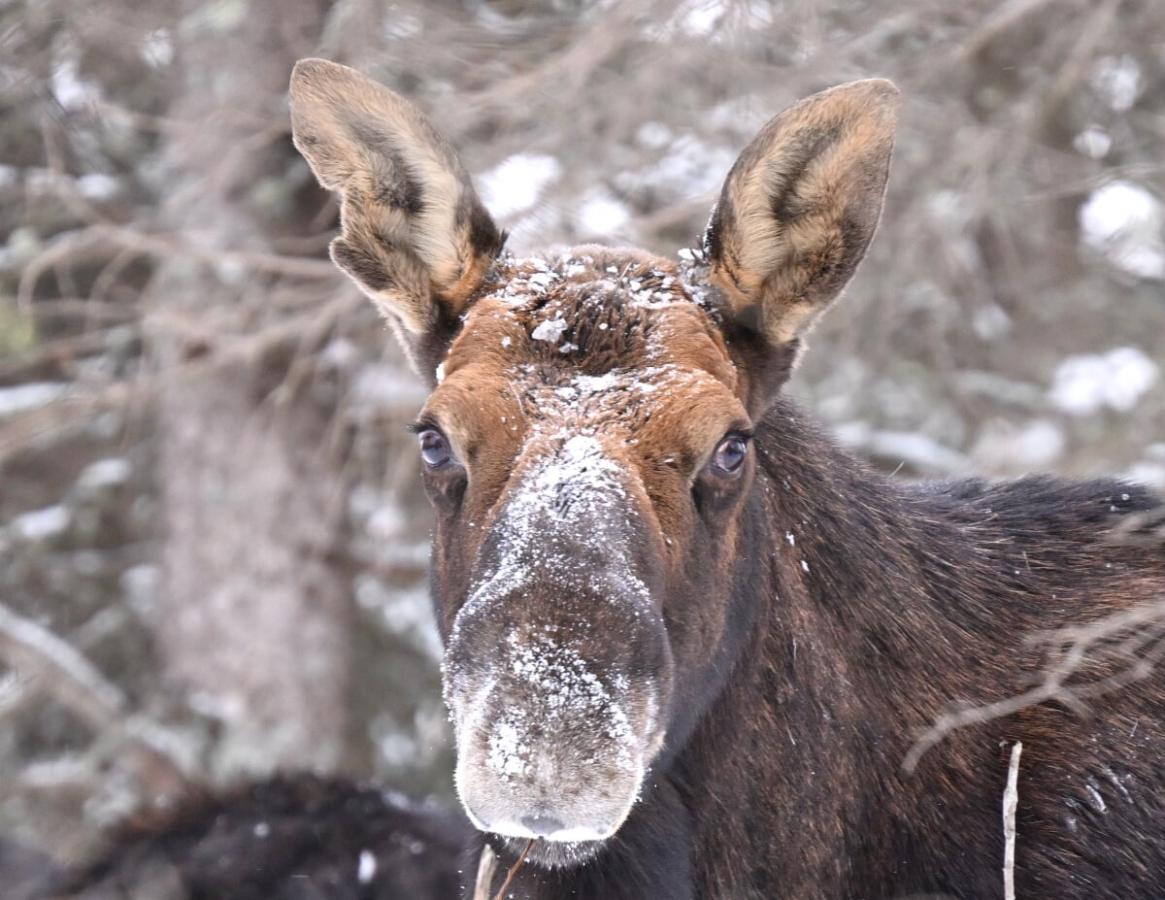
Nevertheless, the young balsam fir trees studied had not yet recovered from the intense browsing of their shoots between 2018 and 2021. Measurements taken in the summer of 2025 indicated an average annual growth of 2.7 centimeters, compared with about 20 centimeters under little moose pressure.
These results advocate evaluating recovery by tracking predators, their prey, and the vegetation over many years. The study assessing the first five years of the reintroduction has been published in Conservation Science and Practice.
Imagen: NPS