
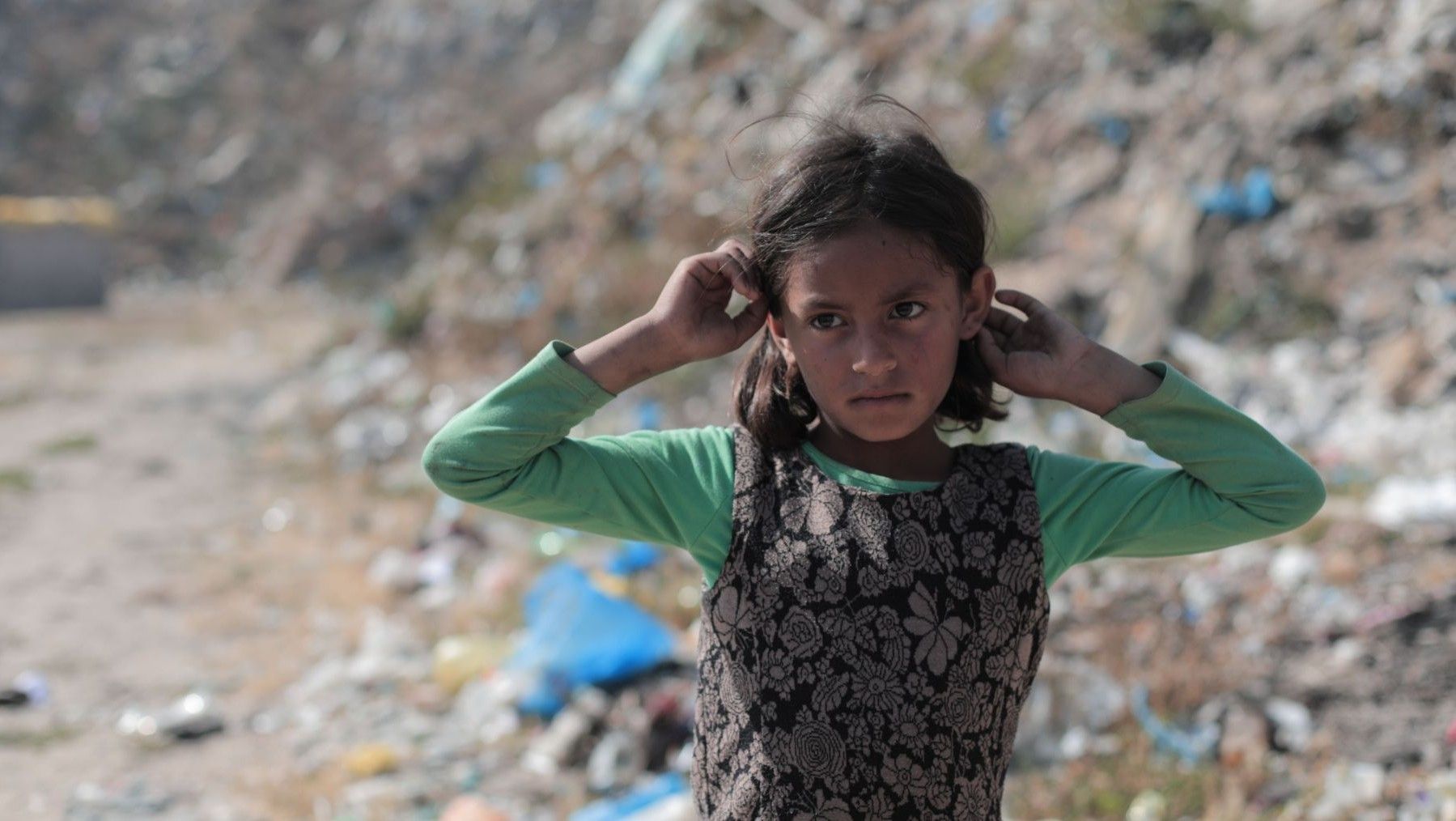
The SEO/BirdLife organization calls for a reduction in the export of waste to third countries and for strengthening its treatment in Europe in light of the growing and alarming list of recipient nations that the EU will apply from May 2027.
If the trash is European, it remains so even if it crosses borders, so we must take responsibility for our waste. This is the premise of SEO/BirdLife’s protest, which asks the EU to take charge of managing its waste rather than exporting it to third countries.
The NGO has conveyed this demand to the European Commission, which is preparing the first list of non-OECD countries that will be authorized to serve as destinations for the export of non-hazardous waste starting in May 2027. The objective of the appeal is to exclude any destination that raises substantial doubts about its ability to safely treat such waste.
The SEO/BirdLife proposal refers to the state of the waste before it reaches the container, since their idea is that the European Commission should ensure that less waste is produced, that products are manufactured to be reusable, repairable, and durable, and that investment is directed to facilities within the EU to manage them.
STOP to exporting waste: European trash should not be sent far away
SEO/BirdLife has urged the European Union to move toward ending the export of waste to third countries and to take responsibility for managing all the garbage it generates.
The organization argues that Europe must abandon a model in which it imports natural resources and raw materials from other parts of the world, processes and consumes them, and then sends some of its waste abroad, transferring pollution risks to countries that, in many cases, have fewer resources to prevent and control their environmental impacts.
The conservation organization has conveyed this stance regarding the waste export to the European Commission within the framework of the public consultation on drafting the first list of non-OECD countries that will be allowed to continue importing certain non-hazardous waste from the European Union starting in May 2027.
For SEO/BirdLife, the priority of European policies should be to reduce waste generation, promote durable and reusable products, improve recycling, and advance toward a true circular economy.
This also requires investing in sufficient and environmentally sound treatment systems within Europe, rather than relying on exports to manage part of the waste produced by our model of production and consumption.
Juan Carlos Atienza, head of the Green Transition Unit at SEO/BirdLife states that “we cannot import natural resources from all over the world and then export our waste, as if pollution ceases to be our problem when it crosses a border. Europe must take responsibility for what it produces and consumes.”
The solution is not to seek new destinations for our trash, but to generate far less and to be able to manage it properly here. We cannot build a circular economy by shifting our environmental problems onto the rest of the world.”
Guarantees and evaluations
SEO/BirdLife warns that the European Commission’s own documentation acknowledges information gaps in certain requests about treatment capacity, contamination controls, or the management of the remaining waste. Therefore, it calls for no country to be authorized as a destination for the export of waste while there are significant doubts about its real ability to manage the waste safely.
The organization also cautions about the risks arising from uncontrolled dumping, the burning of waste, and the arrival of plastics and other pollutants to rivers, wetlands, coasts, and seas, with potentially grave consequences for biodiversity and the health of local communities. It also urges preventing that restrictions on plastic waste exports can be circumvented by shipping them mixed with paper or other recyclable materials.
Moreover, SEO/BirdLife asks the European Commission to establish effective controls over the destination and treatment of waste, ensure the traceability of the materials and their residues, and allow environmental organizations and local communities in the recipient countries to participate in the evaluations.
Indeed, environmental responsibility does not end when waste is exported and leaves European borders, since the aim should be to stop relocating the environmental impacts of our consumption abroad.
No more European plastic outside the OECD
That demand for stricter control over the export of waste coincides with an upcoming regulatory change: from November 21, 2026, plastic waste may not be exported from the EU to non-OECD countries, including those that might be destined for recycling.
According to the European Commission, this ban will remain in place at least until May 21, 2029. This measure highlights the importance of preventing these materials from leaving the EU mixed with paper or other waste, one of the practices that, according to SEO/BirdLife’s reports, concerns the organization.
