
Wildlife trafficking in Peru: two suitcases opened in Lima uncover a shipment of 677 specimens worth 100,000 dollars
Intro
The wildlife trafficking case was uncovered at Lima’s airport. Peruvian authorities seized 677 specimens, including 386 live tarantulas, and detained two travelers bound for China. The shipment, which included six dead ants, was valued by Serfor at 100,000 dollars.
Peruvian authorities found a total of 677 specimens (671 live animals and six dead ants) among tarantulas, scorpions, centipedes, and lizards in the luggage of two Chinese citizens attempting to return to their country from Lima’s international airport, and who were detained after the discovery.
Officers from the National Service for Forestry and Wildlife (Serfor) of the Ministry of Agrarian Development and Irrigation and customs at Jorge Chávez International Airport, the largest in Peru, found hundreds of plastic bags in the travelers’ luggage in which they had stored the live animals.
386 tarantulas, 166 centipedes and 112 scorpions: the shipment Customs intercepted in Lima
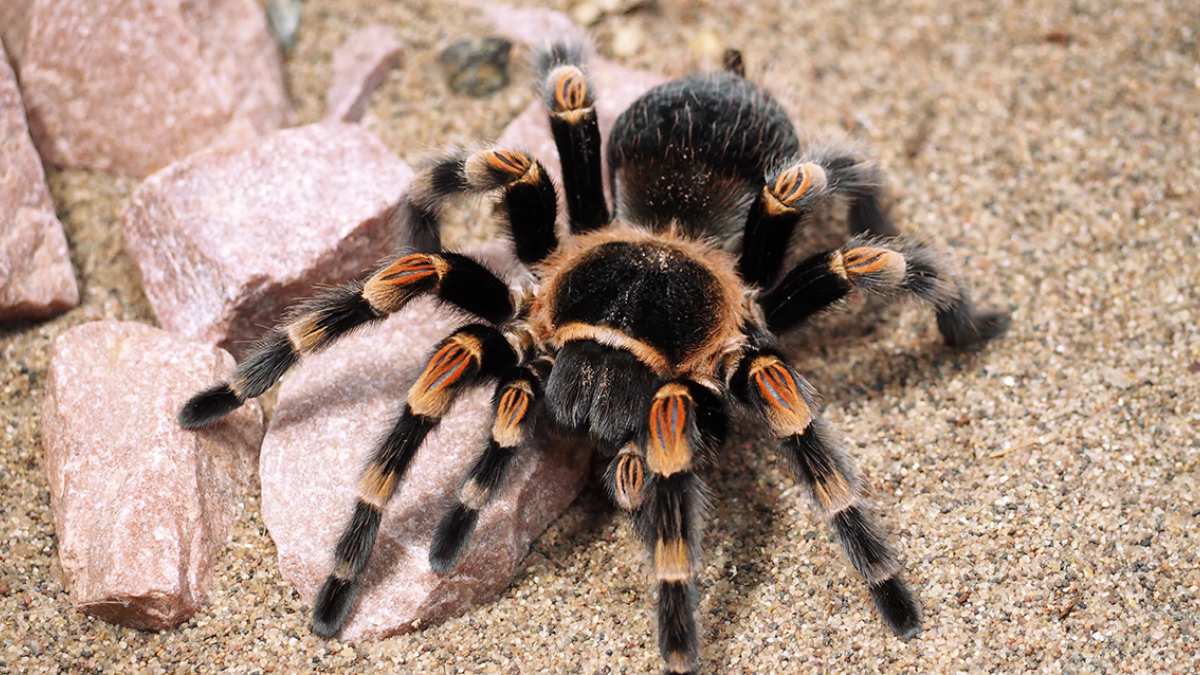
Serfor detailed in a statement that inside two suitcases destined for the aircraft’s cargo hold, two young Chinese nationals carried 386 tarantulas of various species, some with striking colors, and some that, according to Serfor, could be new to science, originating from several regions of the country, such as Madre de Dios, Loreto, and Junín.
Also found were 166 centipedes, 112 scorpions believed to come from Cajamarca, seven lizards from Tumbes, and six dead ants.
«All the specimens were packed in ziplock bags and organized inside plastic containers,» Serfor stated, detailing that the set of live animals was valued at 100,000 dollars.
They added that to survive the journey from Lima to China, the animals were wrapped in damp paper towels, and, in addition, one of the individuals carried a plastic container with tarantulas inside a small plush backpack worn on their back.
Serfor noted that the two Chinese citizens are in custody of the Peruvian National Police (PNP) and face criminal proceedings handled by the Specialized Environmental Prosecutor’s Office.
A vulnerable tarantula among the seized animals: the cost of selling wildlife as pets
«We have uncovered this new shipment at the airport, which marks a hard blow to the mafias trafficking wildlife; especially considering the illegal and growing demand for invertebrates, which are marketed as pets in European and Asian countries,» stated Cora Suárez, Serfor’s forest and wildlife control technician.
The specialist pointed out that one of the tarantula species found, Pamphobeteus antinous, is categorized as ‘vulnerable’ on the list of legally protected wildlife threats.
Two detainees and a second operation in November: the Environmental Prosecutor’s Office investigates the shipment
Serfor recalled that transporting and exporting wildlife without the proper permit constitutes a very serious offense under the Forest and Wildlife Law, carrying a penalty that can range from 55,000 soles to 27.5 million soles (about 16,000 to 8 million dollars).
This operation follows the one carried out on November 4, when two German citizens and a Polish national attempted to take thousands of tarantulas hidden inside their suitcases.
Wildlife trafficking in Peru: which animals did Serfor seize at Lima airport
Serfor’s breakdown totals 671 live animals and six dead ants. Tarantulas account for nearly 58 % of the living specimens, a figure that helps steer the investigation toward their capture locations and buyers.
After the seizure, identifying the species and their origin is crucial to determine their destination. A rushed release in the wrong place could jeopardize both the rescued specimens and local populations.
The blow to wildlife trafficking will be greater if the investigation traces the orders and payments to those who commissioned the shipment. There, demand can be cut that makes it profitable to remove more animals from their habitats.
