
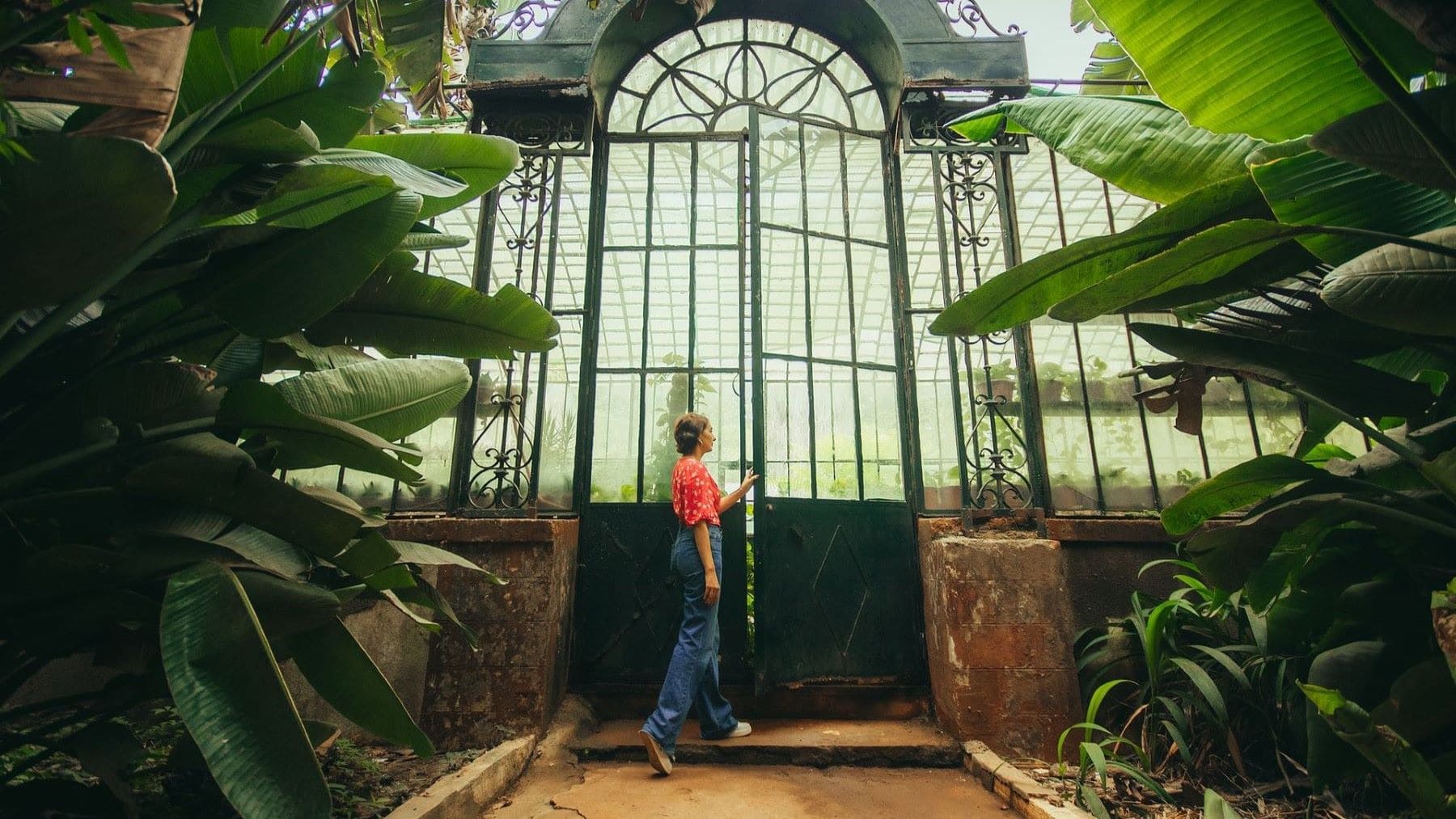
World Botanic Gardens Day 2026 is celebrated on October 9: a study published in Nature Plants in 2017 identified at least 105,634 species in its collections, representing about 30% of known plant diversity.
A threatened plant can find in a botanical garden a unique conservation opportunity. World Botanic Gardens Day 2026, which is celebrated on the second Friday of October, focuses on these spaces where flora collections serve research, education, and biodiversity protection.
¿Qué diferencia a un jardín botánico de un parque y cómo contribuye a proteger las plantas? In the article we will explain the role of its documented collections, its seed banks and its research projects. We will also address how these tools can support the conservation and restoration of flora in the face of habitat loss and the advance of climate change.
A study published in Nature Plants in 2017, with participation from Botanic Gardens Conservation International (BGCI), identified that there were at least 105,634 plant species in the collections of botanical gardens: around the 30% of known plant diversity up to then. Moreover, 41% were classified as threatened, underscoring the importance of conservation programs in botanical gardens.
One of the most relevant findings from that study is that of that enormous number of stored species, 41% belong to plants catalogued as threatened, enabling in-depth study and saving them from extinction. Botanical gardens end up becoming hospitals for flora; preserving them is essential.
Seed Banks and Advanced Plant Biotechnology
In the framework of the World Botanic Gardens Day 2026, we must not forget the underground seed banks that form part of many of these facilities. In these conservation bunkers, seeds are stored at low temperatures to ensure their long-term survival.
From seeds of wheat, barley and maize, through those of vegetables and fruits to tree seeds, here we can find a vital reserve with ancient agricultural varieties and even wild species we had never seen.
Moreover, thanks to these genetic reservoirs, it is possible to develop natural reintroduction programs that enable the restoration of extinct populations using the most modern techniques of plant propagation and in vitro cultivation.
Urban Adaptation and Research in the Climate Crisis
The World Botanic Gardens Day 2026 is also a reminder of the the importance of these institutions in the fight against climate change due to the research they carry out on plant resistance to water stress and to high temperatures over long periods, such as heat waves.
Botanists conduct trials and experiments with native, urban and wild species, to help design more resilient cities capable of withstanding the advances of climate change.
Botanical gardens are also centres of experimentation for agriculture; through the use of new sustainable technologies and circular irrigation systems, they carry out tests that are later transferred to the primary sector to reduce costs, improve crops and contribute to the resilience of the countryside.
A Space Where Science, Wellbeing and Culture Converge
On World Botanic Gardens Day 2026 it should be remembered that many times botanical gardens help reduce visitors’ stress and improve their mental health. Walks through nature are another way to relax and feel better about oneself.
We should not forget the historical heritage these institutions preserve and their architecture, often in Baroque or nineteenth-century styles, where botanical research coexists with traditional landscaping and cultural outreach.
Strolling through these living collections stimulates the senses, transforming scientific knowledge into an immersive educational experience suitable for families, students and environmental enthusiasts.