
On October 21, the World Energy Saving Day, we should focus on heating, hot water, and household appliances, while also considering broader parameters for businesses; but undoubtedly the most effective tool is to commit to energy efficiency.
In order to save energy, we must know where and how we spend it. Each October 21, on the occasion of World Energy Saving Day, is the ideal moment to start practicing habits that lead to lower consumption at both home and in companies.
Thermal conditioning, the use of hot water, the various lighting points, and/or the use of machinery or appliances are fundamental when it comes to making a difference. In fact, the IDAE takes these points into account and regards them as keys to achieving significant energy savings.
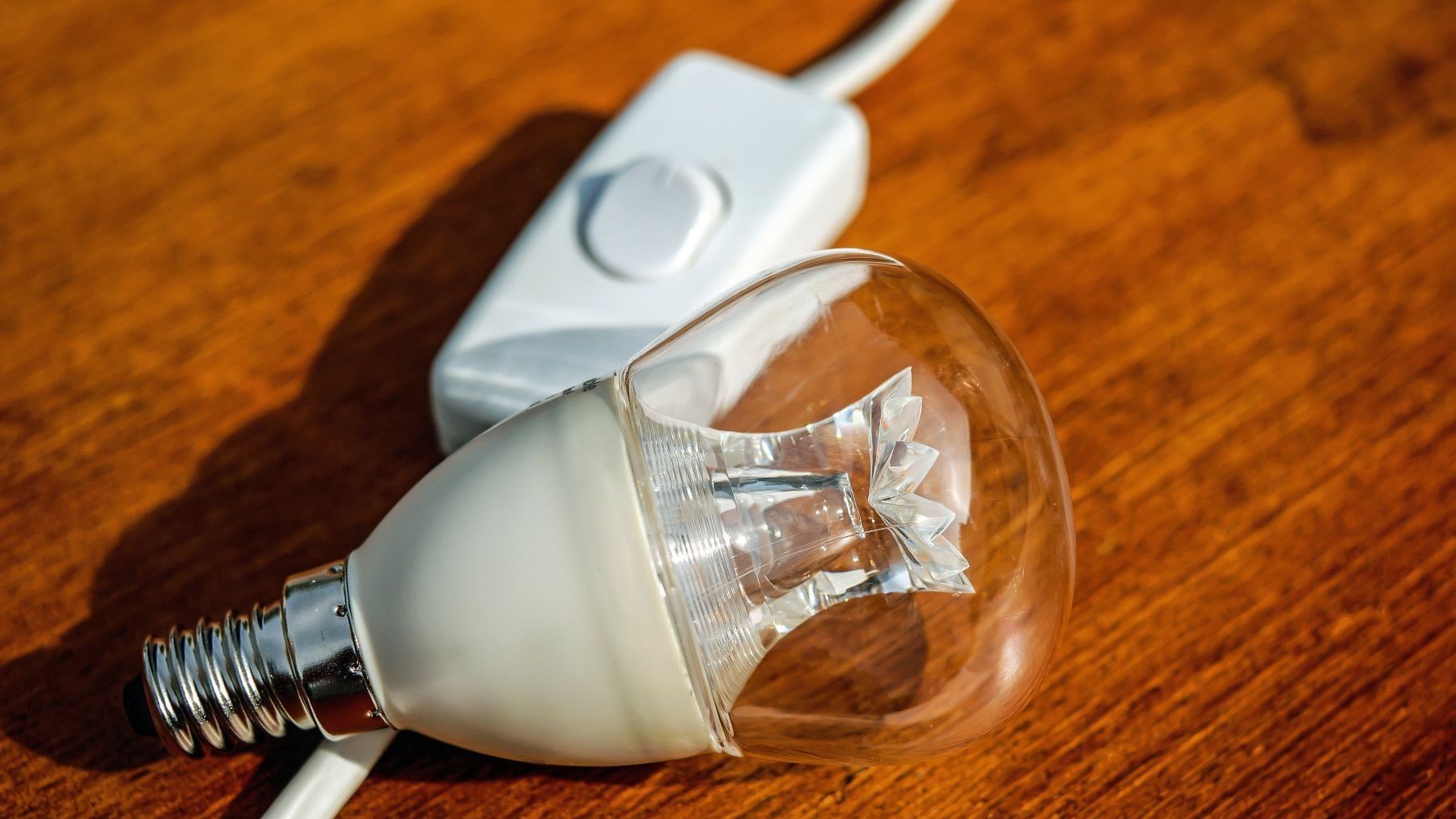
Not leaving lights on when they are unnecessary or using occupancy sensors, precisely adjusting temperatures and climate control schedules, replacing old bulbs and installing LEDs are highly effective measures, some of which are simply a matter of being more careful and others require a small investment.
To foster a change in habits, one must dedicate effort to it: avoiding waste of hot water or electricity, checking whether insulation improvements are needed, etc. The ultimate goal of the World Energy Saving Day is to consume less and, therefore, reduce the amount of emissions associated with the production and consumption of electricity.
World Energy Saving Day: here’s everything you need to know
Unlike other commemorations, the World Energy Saving Day does not have a clearly defined origin; rather, it has evolved over time in response to a growing collective awareness about the importance of energy efficiency and the global need to reduce energy consumption.
What is the objective of World Energy Saving Day?
Its main purpose is to raise global awareness about the importance of reducing energy consumption and to promote sustainable usage practices. This commemoration of World Energy Saving Day aims to achieve several interrelated objectives for both households and businesses:
- Promote energy efficiency.
- Raise awareness about the scarcity of energy resources.
- Reduce the ecological and environmental footprint.
- Encourage education and changes in habits.
- Create significant economic savings.
Conduct an energy analysis
One of the first steps to reducing your company’s or home’s electricity bill is to carry out a comprehensive energy analysis. This will help identify areas where energy is wasted, as well as pinpoint the critical consumption points.
Use more efficient technologies
Implementing efficient technologies is key to lowering electricity consumption. This includes, among other initiatives, the adoption of LED lighting, smarter climate control systems, and above all, raising awareness among people about the necessity of investing in energy efficiency.
Pursue sustainable energies
The use of renewable energies is now more accessible for both businesses and households, whether by installing solar panels or by joining energy communities. This makes it possible to achieve substantial savings while also helping to reduce the carbon footprint and to be energy-efficient.
Manage energy demand properly
Energy demand management aims to optimize electric consumption during peak or high-demand hours. To achieve this, strategies such as scheduling equipment and implementing load-control systems in companies, and controlling the operation of certain appliances like washing machines or vacuum cleaners at home, are essential.
