
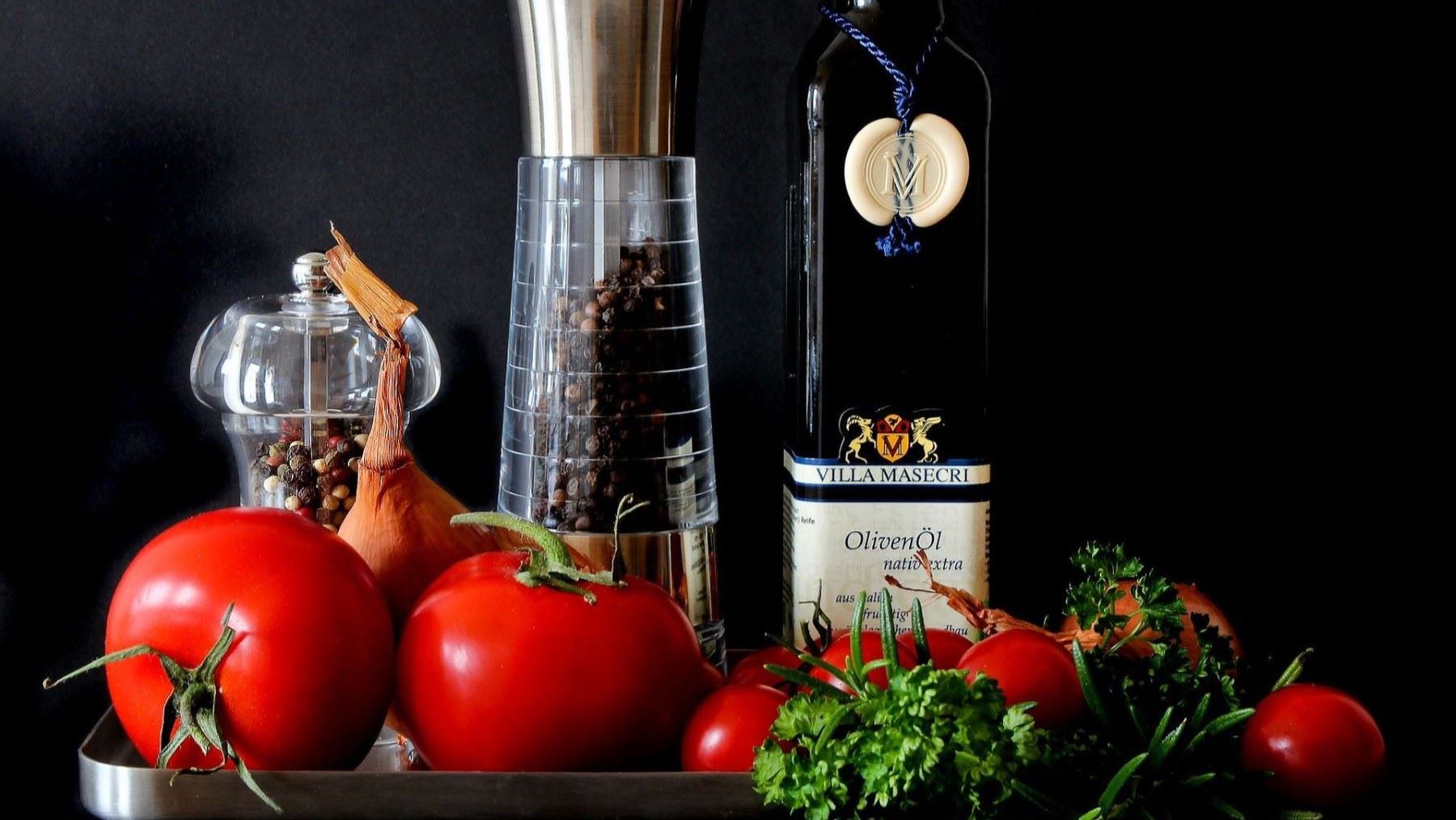
The World Mediterranean Diet Day 2026 champions a diet based on vegetables, fruits, legumes, whole grains and olive oil, together with recipes, agricultural knowledge, and the custom of sharing the table.
The World Mediterranean Diet Day 2026 is celebrated on November 16, a date that coincides with UNESCO’s recognition anniversary in 2010. The day highlights a dietary pattern and a cultural heritage that bring together knowledge about farming, food preparation, and communal dining.
The foundation of the Mediterranean diet is built on vegetables, fruits, legumes, whole grains, nuts, and, of course, olive oil, complemented by fish and moderate amounts of other animal-derived foods. This diet prioritizes variety and limits processed meats, red meat, and sweets. Water should be the habitual drink: drinking wine is not a requirement to follow this eating pattern.
Choosing seasonal products and, when possible, locally sourced and certified organic production will allow linking food with the territory and its farmers.
Día Mundial de la Dieta Mediterránea 2026
The World Mediterranean Diet Day 2026 is celebrated today, November 13 to honor a way of eating recognized for its health benefits and its cultural heritage tied to the crops and nations along the coasts of the sea that bears the same name.
This day supports the principles of the Mediterranean diet, which prioritizes plant-based foods such as fruits, vegetables and whole grains, healthy fats like olive oil, and moderate amounts of fish, poultry and dairy, with a limited intake of red meat and sweets.
In addition, it promotes foods that are organic, locally sourced and consumed in season, to avoid the risk that their transportation increases the ecological footprint for both producers and buyers.
According to UNESCO, the body that created World Mediterranean Diet Day 2026, this diet also represents a celebration of a lifestyle that includes social gatherings, hospitality, ancestral traditions, home-cooked recipes, and respect for diversity.
How is the Mediterranean diet composed?
Plant-based foods: vegetables and fiber
At the heart of this dietary model lie plant-derived foods, rich in essential micronutrients (vitamins and minerals), fiber, and other plant compounds that can promote good health.
- Legumes (beans, lentils, peas) and whole grains are rich in proteins and minerals and provide B vitamins. Yet they are best known for their substantial fiber and complex carbohydrates.
are rich in omega-3s - Fresh fruits and vegetables provide few calories, but are sources of water, vitamins, minerals and fiber.
- Olive oil consists mainly of monounsaturated fats, which facilitates its absorption by the body and, therefore, reduces the likelihood of storage as fat. It is also rich in vitamin E, an excellent antioxidant, as well as phytosterols and plant lipids that help to lower cholesterol.
Animal products
- Unlike the so-called Western diet, which relies on a high consumption of animal products, the Mediterranean diet limits these items in favor of predominantly plant-based foods and, where possible, organic.
- Although red meat and processed meats are good sources of protein, they have a high content of saturated fats, which contribute to elevated cholesterol and blood pressure. Therefore, they should be eaten in small amounts and with low frequency (a few times a month).
- The fish is a source of proteins and healthful fats, especially fatty fish such as salmon, mackerel and sardines, which are rich in omega-3s. Therefore, its consumption should be preferred to that of meat.
- White meat (poultry) is a good source of lean protein without the trans fats present in red meat. In the Mediterranean diet, no more than four eggs per week are typically consumed, including those used in recipes and for cooking.
- Dairy products are consumed daily, but in small amounts. Yogurts and soft cheeses made from milk of various animals (goat, sheep, cow, etc.) are the most commonly consumed because they are rich in calcium and protein, but have low levels of saturated fats.
Other essential facts
Low intake of sugary products
Sweet products, including foods and beverages, are consumed in small amounts and reserved for special occasions.
Moderate consumption of red wine
Red wine, which contains many polyphenols, plant compounds with antioxidant properties, should be consumed in moderation.
Use of aromatic seasonings
Spices, onions, garlic, thyme, bay leaves, basil, and much more are used in small quantities, not only playing an essential role as flavor enhancers and to help prevent excessive salt intake, but also being rich in polyphenols.
Regular physical activity
Physical activity is one of the main factors in preventing chronic diseases. The equivalent of around half an hour of daily brisk walking can make a difference in the health of those who also follow a Mediterranean diet.
Health benefits
The Mediterranean diet is associated with a lower risk of certain diseases such as cardiovascular disease, diabetes and obesity, along with a better mood and higher energy levels, as well as improved cardiovascular and brain health.
World Mediterranean Diet Day 2026: The evidence of cardiovascular improvement is included in the Spanish PREDIMED trial, whose revised publication of 2018 analyzed 7,447 people aged 55 to 80 at high cardiovascular risk. The groups following a Mediterranean diet supplemented with extra-virgin olive oil or nuts showed an approximate 30% reduction in the risk of experiencing a major cardiovascular event, compared with the group that received advice to reduce fats. The result supports this dietary pattern in the studied population and reinforces the importance of evaluating the diet as a whole.
