
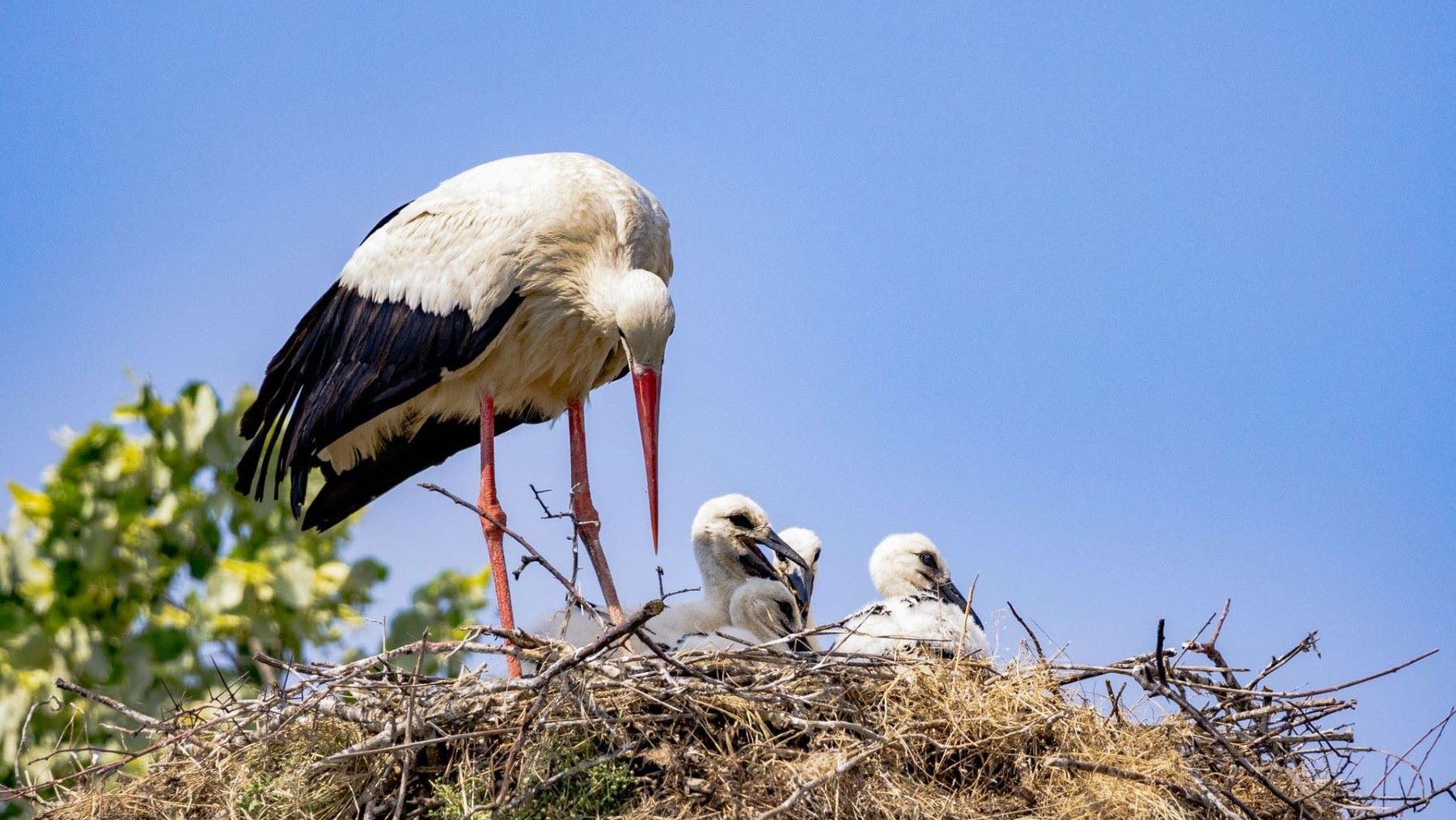
Today, October 10, World Migratory Bird Day 2026 is celebrated. Every second Saturday of October, the global population is reminded of the great importance of these birds for all ecosystems. Under the motto “Every bird counts: your observations matter!” this year aims to encourage citizen science observations by the public.
How can a single observation help birds that cross countries and continents? Below, we will explain what citizen science contributes to the monitoring of populations and their protection and how to participate responsibly. We will also address why protecting their breeding, resting, and feeding sites is essential for them to complete their migrations.
This year’s migratory campaign for 2026 features two main dates: one on May 9, when the migratory cycle begins, and another today, October 10, marking the end of the cycle. They are organized by the C onvention on Migratory Species (CMS), the African-Eurasian Migratory Waterbird Agreement (AEWA), Environment for the Americas (EFTA), and the East Asian-Australasian Flyway Partnership (EAAFP).
World Migratory Bird Day 2026
World Migratory Bird Day 2026 is celebrated this year under the motto “Every bird counts: your observations matter!” An original way to promote citizen science and wildlife protection. The act of recording a sighting and sharing it on the platforms meant for this purpose provides substantial help to international organizations for identifying variations in bird populations and potential changes in their migratory patterns.
These records voluntarily provided by thousands of citizens who go for a walk or who enjoy birdwatching as a hobby enable mapping long-distance flight routes, allowing almost real-time detection of threats to the ecosystems that these birds use for rest, nesting, etc.
All the information obtained strengthens the research of the Convention on Migratory Species, improving policies for the conservation of avifauna and demonstrating that the most powerful tool to protect the planet’s biodiversity is community action.
Threats from climate change and habitat loss along migratory routes
The World Migratory Bird Day 2026 highlights another major problem faced by migratory birds during their journeys. Climate change is destroying the natural habitats of these species, causing alterations in their migratory cycles, routes, and survival strategies.
Moreover, prolonged droughts, water and soil pollution from plastics, and urban sprawl have significantly reduced the available feeding grounds. Add to this the challenges posed by climate change; the outcome is catastrophic for migratory birds if urgent measures to protect the ecosystems they inhabit are not taken.
But to preserve these spaces, which often cross several countries, it is necessary to demand stricter environmental regulations and the urgent creation of connected natural reserves managed internationally that guarantee a safe refuge for birds during their migratory cycles.
Essential ecological roles of migratory species
Within the framework of the World Migratory Bird Day 2026, experts always remind us that these species act as efficient biological controllers of pests; they are also highly effective pollinators and, thanks to their droppings, disperse forest seeds.
They are also a fundamental biological indicator for assessing ecosystem health: a sharp decline in their populations can signal serious problems and ecological imbalances in natural cycles that may also affect agriculture and public health.
Iconic species such as the white stork or the barn swallow serve as good examples of these indicators; ensuring their survival is also a way to safeguard the ecological health of the ecosystems where they inhabit.
International coordination and dates of the annual campaign
World Migratory Bird Day 2026 is more of a campaign with two highly significant dates: this year the first was on May 9, marking the start of the birds’ migratory cycle, and today, October 10, marking the end of that cycle.
This global migratory operation is jointly coordinated each year by the Convention on Migratory Species (CMS), the African-Eurasian Migratory Waterbird Agreement (AEWA), the North American organization Environment for the Americas (EFTA), and the East Asian-Australasian Flyway Partnership (EAAFP).
The integration of these continental alliances ensures that the conservation of migratory birds does not stop at national borders, promoting international protection policies and opening new protected biological corridors that connect Arctic regions to the southern hemisphere.
How to actively collaborate through networks and the community
Participating in this World Migratory Bird Day 2026 is not particularly difficult, nor does it require any financial investment. Going for a walk and sharing sightings is one of the perfect ways to contribute on this day. “Every bird counts: your observations matter!”
You can also contribute by helping spread campaigns that educate about plastic and pollution, sharing sightings on social networks using the official hashtags, and adopting sustainable habits that help reduce the use of single-use plastics.