
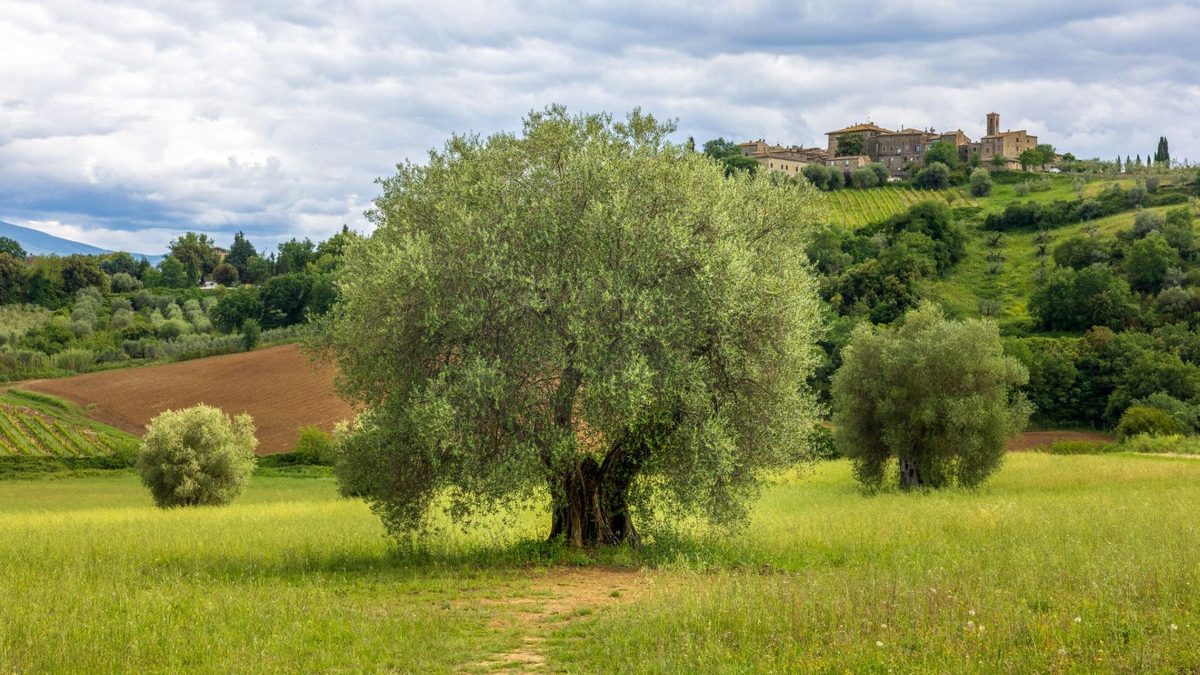
The World Olive Day 2026 is celebrated on November 26 to advocate for a heritage that sustains rural economies, is part of the Mediterranean diet, and contributes to environmental conservation.
The World Olive Day 2026 is celebrated on November 26 and it focuses on a tree whose value goes far beyond its fruits. Behind olive oil and table olives are farmers, knowledge handed down through generations, and rural communities that depend on olive cultivation.
The cultural dimension of the olive tree also appears in the recognition of the Mediterranean diet as an intangible cultural heritage of humanity. That heritage comprises knowledge about cultivation, harvesting, preservation and preparation of foods, as well as the social practices of sharing them.
World Olive Day 2026
Since UNESCO officially proclaimed it in 2019, World Olive Day (WOD) is celebrated every year on November 26. It represents a global tribute to the olive tree and its enormous cultural, environmental and socio-economic importance.
The initiative was presented by Lebanon and Tunisia, and endorsed during the 206th session of UNESCO’s Executive Council. The resolution was adopted unanimously at the 40th session of the General Conference, where the olive tree was recognized as a universal symbol of peace, sustainability and resilience.
The IOC plays a central role in coordinating WOD celebrations worldwide, working closely with delegations of member countries, local authorities, industry stakeholders, research institutions and diplomatic missions. Events and campaigns are organized to raise awareness about the olive’s contribution to sustainable development, climate action, and healthy diets.
Why is World Olive Day 2026 important?
The olive tree is a symbol of peace and cultural heritage, deeply rooted in the Mediterranean but present on five continents.
Olive cultivation sustains millions of rural families, by providing livelihoods, food security and environmental protection.
Olive oil and table olives are an essential component of the Mediterranean diet, recognized for their nutritional benefits and preventive health properties.
Olive groves contribute to mitigating climate change, thanks to their ability to sequester atmospheric CO₂.
The sector plays a strategic role in the global agri-food system, in a context where IOC member countries account for more than 94% of world production.
The role of the IOC
Established in 1959, the International Olive Council is the only international organization dedicated to the olive sector. It promotes the following:
Harmonization of standards and quality control.
Scientific research on health and nutrition.
Sustainable olive cultivation and environmental management.
Reliable statistical and market data.
Worldwide promotion and responsible trade of olive products.
The World Olive Day 2026 is more than a celebration: it is a call to action. It invites governments, institutions and citizens to protect the olive tree, support olive growers and choose the olive as an ally for a healthier planet and population.