
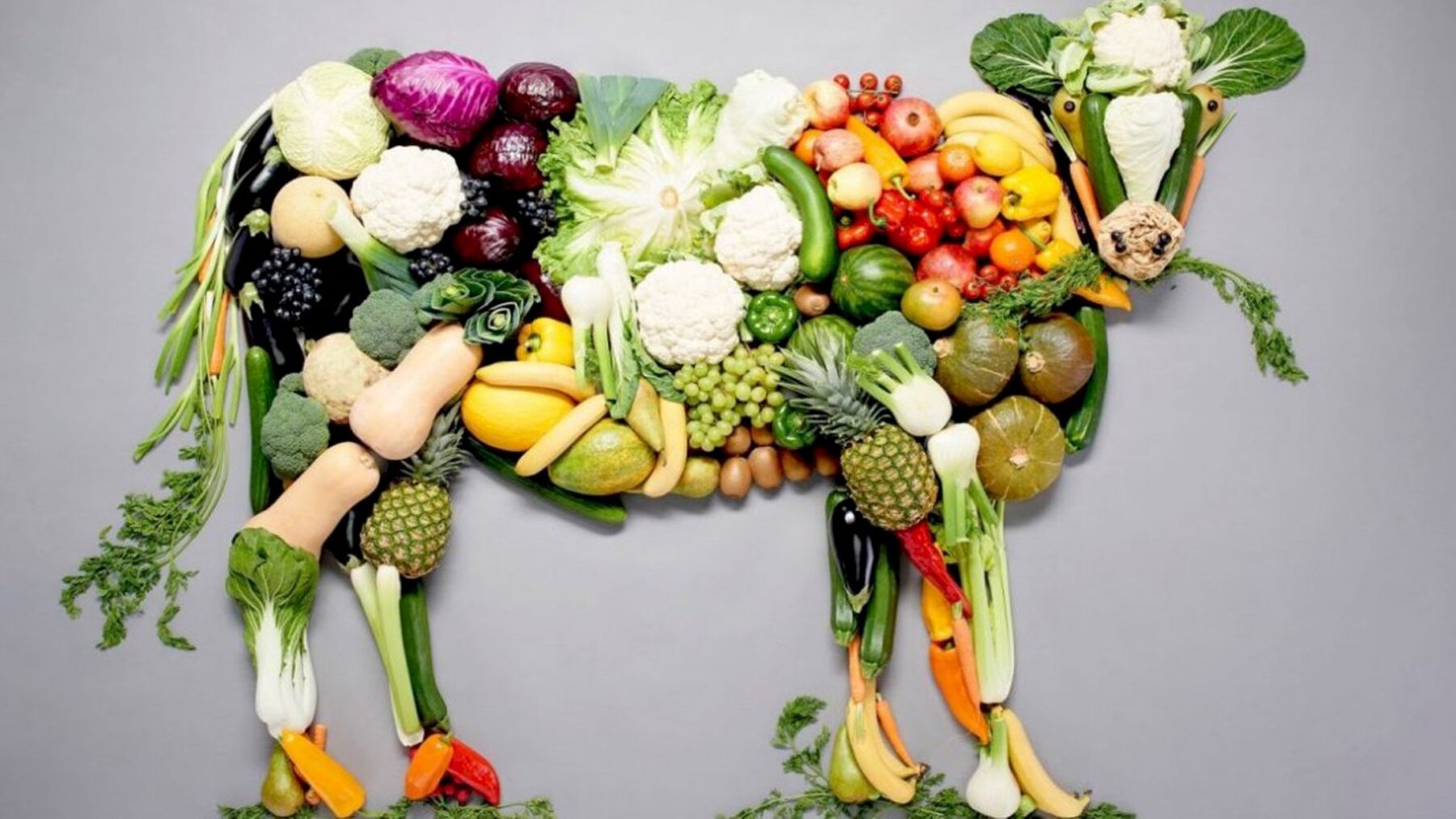
The date was established in 1994 at the initiative of Louise Wallis, then president of the Vegan Society of the United Kingdom, to commemorate the organization’s 50th anniversary, founded in 1944.
The veganism goes beyond simply following a plant-based diet; it is a life philosophy that seeks to prevent animal exploitation across various everyday contexts, from food to clothing, cosmetics, and even leisure or entertainment options.
Therefore, vegans exclude from their diet meat, fish, eggs, dairy products, and other items of animal origin, such as honey. They may also opt for garments and goods that do not incorporate animal materials or involve their exploitation.
The World Vegan Day 2026 provides an opportunity to learn about plant-based alternatives, to inform oneself about animal welfare, and to review purchasing choices. The day also brings to light the connection between diet, sustainability, and responsible consumption, and encourages the discovery of options that help reduce the use of animal-derived products.
Principles of World Vegan Day
Today, November 1, is World Vegan Day 2026, whose goal is to raise awareness of the benefits of a vegan lifestyle, to promote the rights of animals, to foster a diet more environmentally friendly and based on organic foods, and to encourage people to adopt a diet free of animal products.
World Vegan Day 2026 is an opportunity to reflect on our relationship with animals, the environment, and our own health. One of its main objectives is for people to become aware of the animal mistreatment behind the manufacture of all kinds of products that rely on animal-derived inputs and also to try being vegan for a period.
Awareness of Animal Rights
Veganism is a life philosophy that opposes animal exploitation in all its forms. This day offers a chance to bring attention to the issues linked to intensive livestock farming, industrial fishing, and other practices that negatively affect animals.
One of the most visible aspects of veganism is choosing a diet free of animal products, such as meat, dairy, eggs, and honey. Vegans prefer plant-based foods like fruits, vegetables, grains, legumes, and nuts.
Vegans advocate the consumption of foods certified as vegan and produced in an ecological manner, i.e., without the addition of any chemical agents during cultivation (herbicides, fertilizers, pesticides, etc.) and also not for processing (additives, preservatives, etc.).
Veganism is also promoted due to its positive environmental impact. Intensive agricultural practices and cattle farming are linked to deforestation, biodiversity loss, water pollution, and greenhouse gas emissions. By choosing a vegan diet, people can help reduce their ecological footprint and environmental impact.
Historical Vegetarianism
Contrary to popular belief, veganism did not originate in the twenty-first century. It could even be traced back to ancient Greece, so this life philosophy, which is the root of veganism, is far from new.
In 530 BCE, Pythagoras, renowned for his mathematical theorems, could be described as nearly vegan, as he strictly forbade his students from eating meat and from wearing woolen garments.
A few centuries later, during the Roman era, the gladiators themselves were vegetarians, according to forensic scientists from the Universities of Vienna and Bern, who carefully analyzed bones unearthed from the tomb of a Roman warrior.
More recently, Gandhi (1869-1948) deserves mention. Besides his pivotal role in promoting non-violence and India’s independence, this modern figure had been vegetarian since childhood. Abstaining from meat elevates the soul, he declared. For him, not eating animals had to be both an ethical and moral choice.
Veganism: A Movement of English Origin
Contrary to popular belief, veganism did not originate in the twenty-first century. It could even be traced back to ancient Greece, so this life philosophy that is the root of veganism is nothing new.
The first vegan society (an association aimed at promoting veganism) was founded in London in November 1944 by Donald Watson. After spending his childhood on a farm, this carpentry teacher became a vegetarian. He then surrounded himself with those who, like him, did not consume milk or eggs, and that was the beginning of the movement. In fact, he coined the term vegan.
In the early 1950s, the term vegan shifted in meaning. It is now considered with a broader ethical dimension that is no longer limited to a diet. Veganism is the doctrine according to which humans should live without exploiting animals, which is the official definition promulgated by the Vegan Society in 1951.
Animals, as well as their by-products (honey, eggs, wool, leather, etc.), should not be consumed or used for the making or production of any other product. And, of course, the movement supports organic farming and firmly condemns any form of animal cruelty.
The environmental dimension also comes with concrete figures. A study published in Nature Food in 2023, based on the diets of 55,504 people in the United Kingdom, estimated that vegan diets were associated with greenhouse gas emissions roughly 75% lower than those of people who consumed at least 100 grams of meat daily, when comparing diets set at 2,000 kilocalories.
The difference ties dietary choices to a measurable footprint and reinforces the interest in incorporating more plant-based foods to reduce the environmental impact of the diet.
